Skip to content
(206) 659-4349
K Single Corp
Roofing Materials

Cedar Shake Roofing

Cedar shake roofing offers timeless Pacific Northwest character with natural insulation and a 30 to 40 year lifespan when properly maintained in Seattle's climate.

30–40 years
Expected Lifespan
$12,000–$25,000
Typical Cost Range
High
Maintenance Level
Traditional PNW aesthetic, Craftsman homes
Best For

Overview

What Is Cedar Shake Roofing?

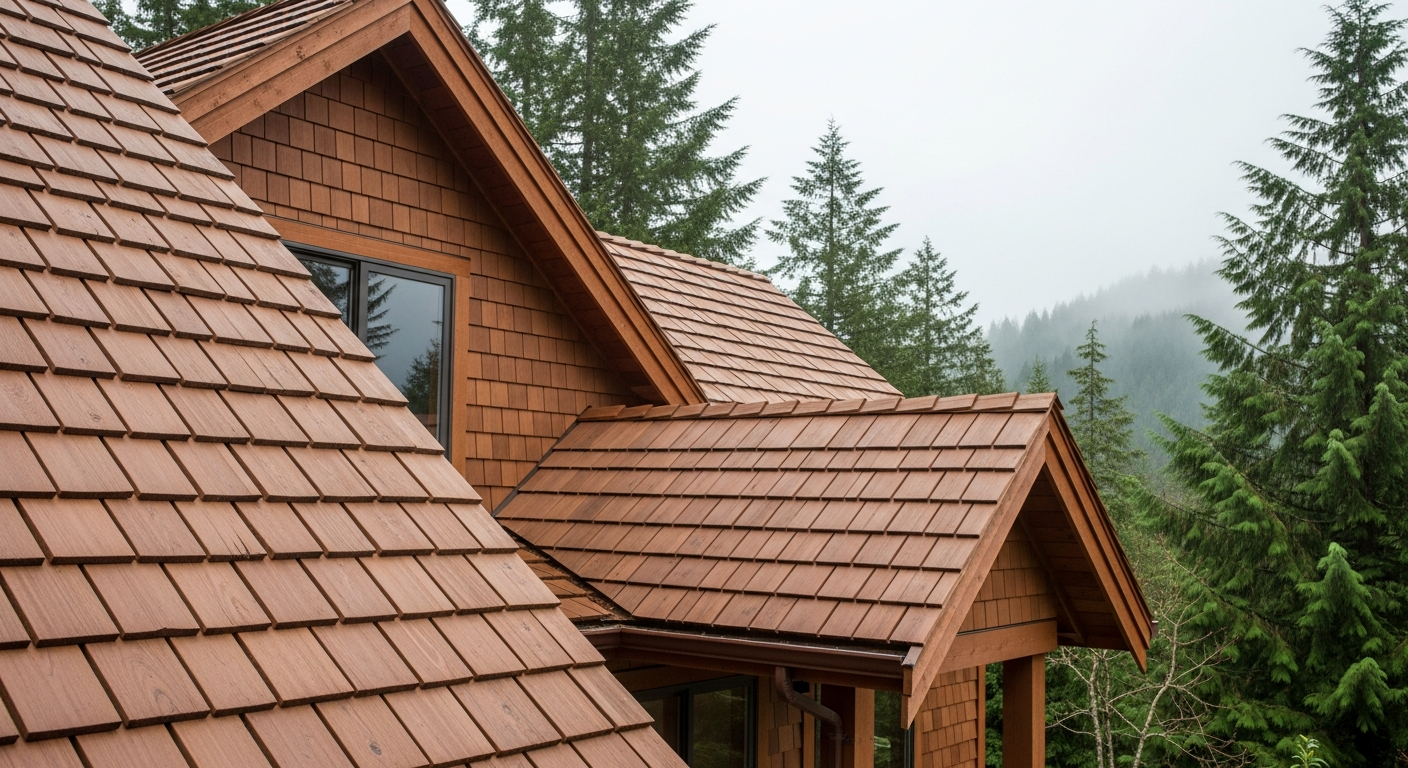
A cedar shake roof installation in Seattle typically costs $12,000 to $25,000 for an average home. Cedar shake is the signature roofing material of the Pacific Northwest, prized for its natural beauty, excellent insulation properties, and the warm, textured character it brings to Craftsman, Tudor, and traditional home styles throughout the Puget Sound region.

Cedar has been the roofing material of choice in the Pacific Northwest for over a century. Western red cedar is harvested and processed regionally, and its use is deeply tied to the architectural identity of Seattle’s older neighborhoods. Craftsman bungalows, Tudor revivals, and mid-century homes across Capitol Hill, Wallingford, and Queen Anne were originally built with cedar roofs, and many homeowners choose to maintain that continuity when it is time for a replacement.
Advantages

  • Iconic Pacific Northwest aesthetic that suits Craftsman, Tudor, and traditional homes
  • Natural beauty with rich texture and warm color tones
  • Excellent natural insulation with roughly twice the R-value of asphalt shingles
  • Increases home value in neighborhoods where cedar is the dominant style
  • Locally sourced western red cedar supports regional industry
  • Natural oils resist moisture, insects, and decay

Considerations

  • Highest maintenance of any residential roofing material
  • Class C fire rating when untreated, requiring fire-retardant treatment for safety
  • Can deteriorate in as few as 15–20 years without consistent upkeep
  • Most expensive labor due to skilled hand installation and longer timelines
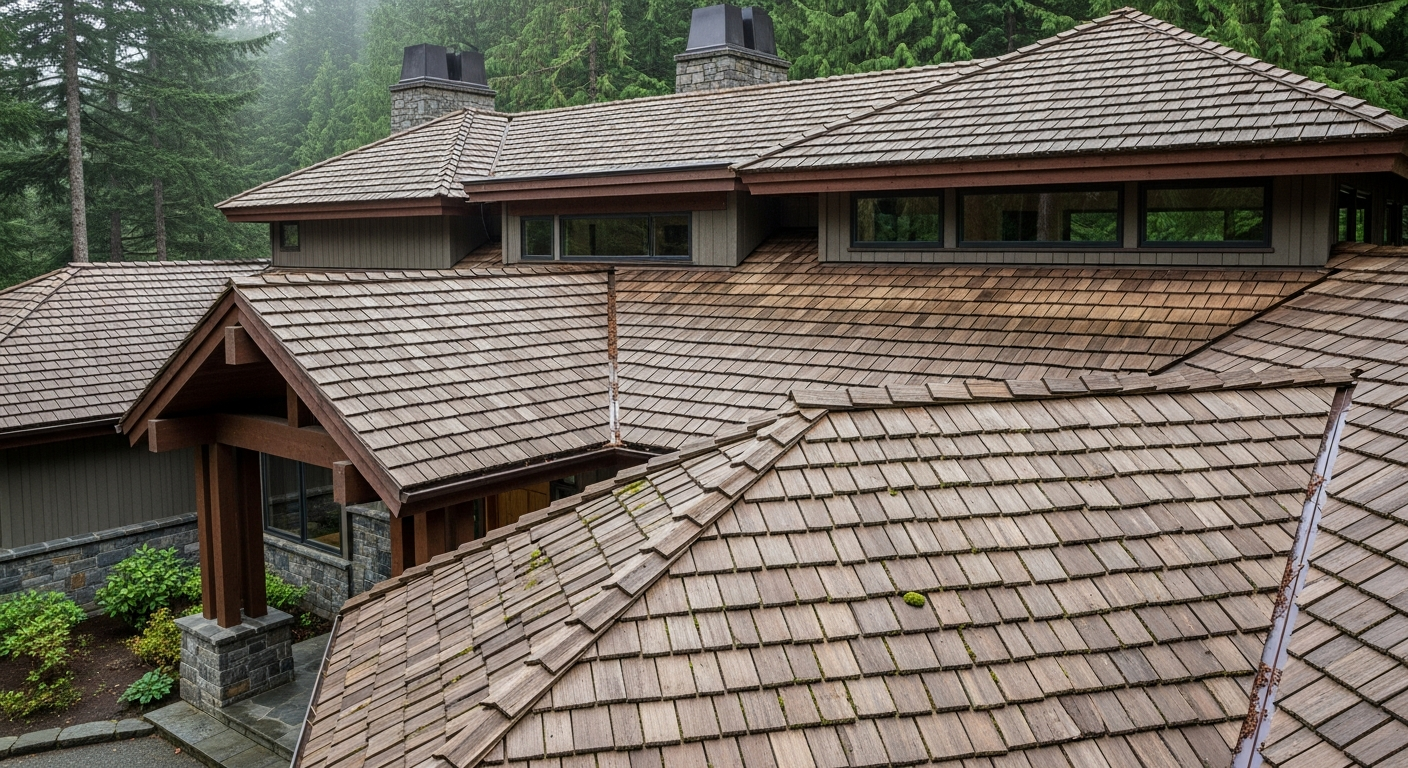
  • Highly prone to moss and algae growth in Seattle's damp, shaded conditions

At a Glance

Craftsman Home Aesthetic

Cedar shake is the signature roofing material of the Pacific Northwest, perfectly complementing the Craftsman, Tudor, and bungalow styles found throughout Seattle's older neighborhoods.

Natural Insulation

Cedar's cellular structure provides an R-value roughly twice that of asphalt shingles. Homeowners often notice improved temperature regulation, especially in older homes with limited attic insulation.

PNW Heritage Material

Western red cedar has been the roofing material of choice in the Pacific Northwest for over a century. It is locally harvested, regionally processed, and deeply tied to PNW architectural identity.

Maintenance Calendar

Cedar demands regular care: moss treatment in late winter, preservative application every 3–5 years, biannual inspections, and quarterly debris clearing. Plan for these tasks to maximize lifespan.

Options Available

Material Grades

Choose the grade that fits your budget, timeline, and performance expectations.

#2 Red Label Cedar Shingles

#2 Red Label Cedar Shingles

Machine-cut cedar shingles with a smoother, more uniform profile. A good entry point for homeowners who want cedar's warmth without the heavier texture of hand-split shakes.

$12,000–$17,000 20–30 years
#1 Blue Label Cedar Shakes
Most Popular

#1 Blue Label Cedar Shakes

Premium grade hand-split or taper-sawn shakes with a thick, textured profile. The most popular cedar option in Seattle for Craftsman and traditional homes.

$16,000–$22,000 30–40 years
Premium Hand-Split Shakes

Premium Hand-Split Shakes

The thickest, most dramatic cedar shakes split by hand from old-growth or premium-grade cedar blocks. Delivers the deepest shadow lines and most authentic rustic character.

$20,000–$25,000 35–40 years

Side by Side

How Cedar Shake Roofing Compares

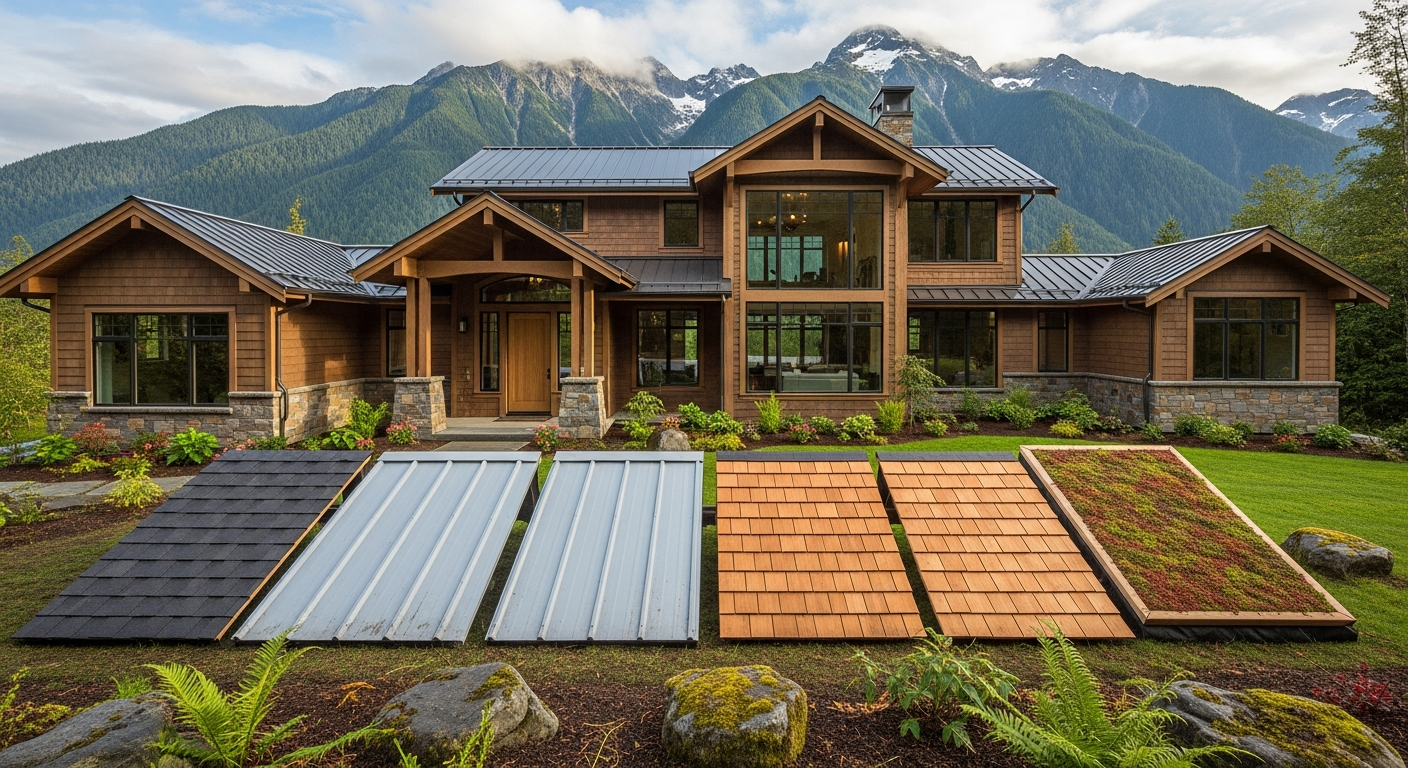
See how this material stacks up against other roofing options available for Seattle homes.

Comparison of Cedar Shake Roofing with other roofing materials
Feature Composition Shingles Metal Roofing This Material Cedar Shake Flat / TPO Composite
Installed Cost $8,000–$15,000 $15,000–$30,000 $12,000–$25,000 $8,000–$18,000 $10,000–$22,000
Lifespan 20–30 years 40–70 years 30–40 years 20–30 years 30–50 years
Maintenance Low to moderate Very low High Low Very low
Wind Rating Up to 130 mph Up to 140 mph Moderate Varies by system Up to 110 mph
Fire Rating Class A Class A Class C (untreated) Class A Class A
Best For Value and versatility Long-term investment Traditional aesthetics Low-slope structures Low maintenance
4.7 from 171+

What Our Customers Say

Read all reviews

My job was very challenging. Actively leaking torchdown flat roof in winter over the holidays during an atmospheric rive...

RM
Robin Mar
Google Review

We purchased our home 14 years ago. Our roof started to leak. After investigating the cause, it was apparent there were...

W
Waman
Google Review

K Single was recommended by another roofing company and we are really glad that we went with them. Out of all the estima...

TT
Timea Tihanyi
Google Review

Just a note to tell you how impressed we are with your crew and the excellent work they did repairing our roof yesterday...

MR
Madonna Reid
Google Review

K Single Corp previously helped me patch a leak caused by a wind storm and age, and inspected the rest of the roof to gi...

I
Icy
Google Review

Quality materials and craft, attention to detail and timely, low key service that went beyond expectations at each turn....

DB
Doug Brody
Google Review

Common Questions

Frequently Asked Questions

Answers to the most common questions about cedar shake roofing from Seattle homeowners.

How long does a cedar shake roof last in Seattle?
A well-maintained cedar shake roof lasts 30 to 40 years in the Seattle area. The key factor is consistent maintenance, particularly moss treatment and periodic preservative application. Neglected cedar roofs can deteriorate in as few as 15 to 20 years, while diligently maintained roofs sometimes exceed 40 years of service.
Is cedar shake roofing a fire hazard?
Untreated cedar shake carries a Class C fire rating, the lowest for residential roofing. This is a legitimate concern, especially in areas with wildfire risk. Pressure-treated cedar shakes with fire retardant can achieve Class B or even Class A ratings. Some neighborhoods and HOAs in the greater Seattle area restrict untreated cedar roofing. Check local codes before committing to cedar.
Can you put cedar shake over existing shingles?
No. Cedar shake requires a specific installation substrate, either solid plywood decking with breathable underlayment or a skip sheathing system that allows air circulation beneath the shakes. Installing cedar over existing shingles traps moisture and leads to rapid deterioration. A full tear-off is always required.
How do you prevent moss on a cedar shake roof?
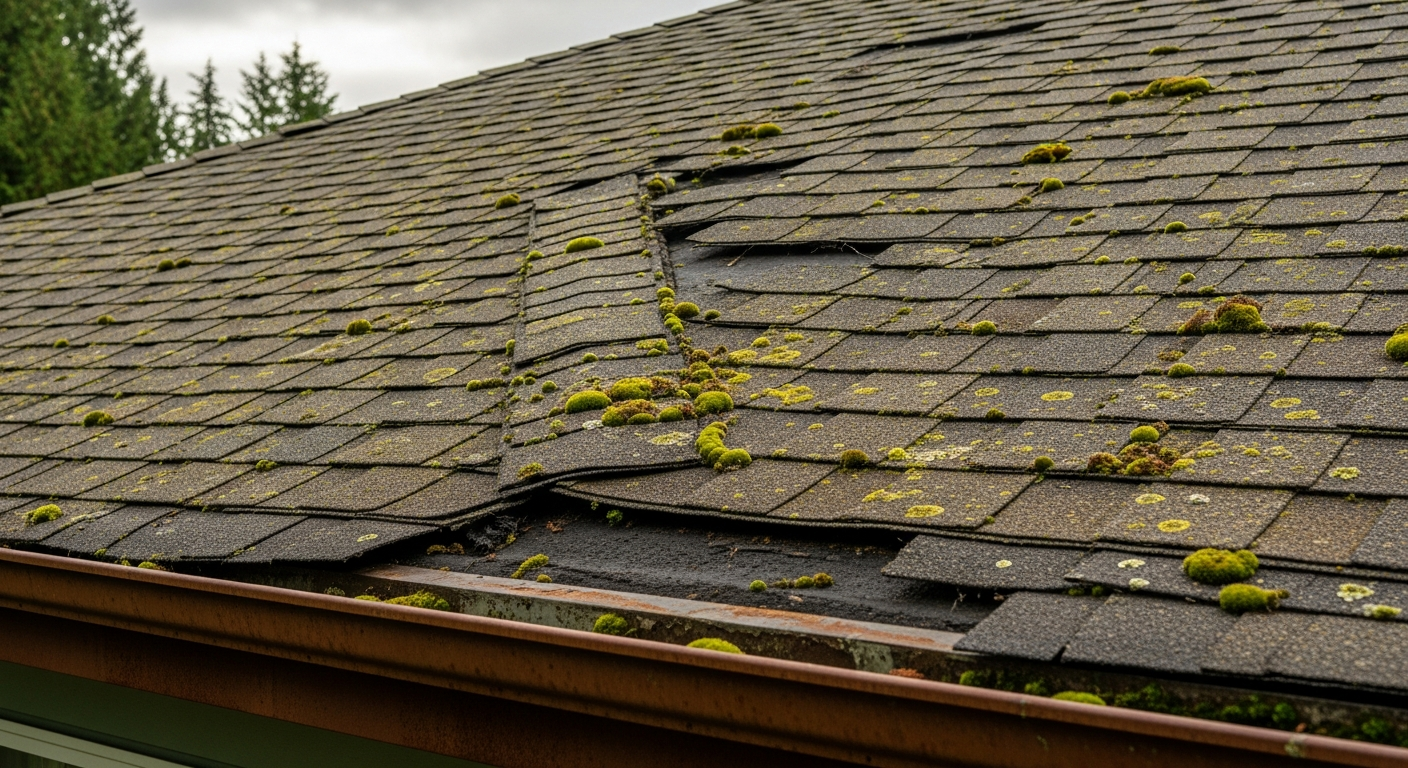
Moss prevention on cedar requires a multi-layered approach. Install zinc or copper strips along the ridgeline so rain washes trace amounts of metal across the surface. Apply zinc sulfate granules in late winter before moss growth begins. Keep trees trimmed to reduce shade. Remove any moss growth gently with a soft brush. Never pressure wash cedar roofing.
Why is cedar shake more expensive than shingles?
Cedar shake costs more due to the raw material (harvested western red cedar), the skilled labor required for proper installation, the specialized underlayment and ventilation systems needed, and the longer installation time. A cedar shake installation typically takes 4 to 7 days compared to 1 to 3 days for composition shingles.
Does cedar shake roofing add home value?
Cedar shake roofing is considered a premium feature in the Pacific Northwest real estate market, particularly on Craftsman, Tudor, and other traditional architectural styles. It signals quality and character. However, some buyers factor in the higher maintenance costs. In neighborhoods where cedar shake is the dominant roofing style, maintaining that material preserves neighborhood continuity and value.
What is the difference between cedar shakes and cedar shingles?
Cedar shakes are thicker (typically 3/4 inch) and have at least one rough, textured surface from hand-splitting. Cedar shingles are thinner (about 1/2 inch) and machine-sawn smooth on both sides. Shakes create a more rustic, dramatic appearance, while shingles provide a smoother, more uniform look. Both use western red cedar and require similar maintenance in Seattle's climate.
How often does a cedar shake roof need maintenance?
In Seattle's climate, cedar shake roofs need biannual inspections (spring and fall), annual moss treatment in late winter, preservative application every 3 to 5 years, quarterly debris clearing in wooded areas, and twice-yearly gutter cleaning. This is the highest maintenance load of any residential roofing material, but consistent care is what separates a 40-year cedar roof from a 15-year one.

See Real Cedar Shake Roofing Projects

Browse completed installations and replacements from homes across the Seattle area.

View Project Gallery

Find the Right Roof for Your Home

Get expert advice and a free estimate from Seattle's most trusted roofing team.

Most estimates completed within 24 hours.