A roofing warranty has two separate parts: the manufacturer warranty (covering material defects for 25 to 50 years) and the workmanship warranty from your contractor (covering installation errors for 2 to 10 years). Understanding what each warranty actually covers, what voids them, and how to keep them active can save you thousands of dollars if problems arise.
Most homeowners assume their new roof is “fully covered” for 30 years. The reality is more nuanced. Here is what you need to know to protect your investment.
Understanding Your Roofing Warranty
The Two Types of Roofing Warranties
Manufacturer Warranty (Material Coverage)
The manufacturer warranty covers defects in the roofing material itself. If your shingles crack, curl, or lose granules prematurely due to a manufacturing defect, the manufacturer will cover replacement materials.
What manufacturer warranties typically cover:
- Premature granule loss beyond normal wear
- Manufacturing defects causing cracking or splitting
- Algae discoloration (on AR-rated shingles)
- Wind damage up to the rated speed (often 110-130 mph)
What manufacturer warranties typically do NOT cover:
- Labor costs for removal and reinstallation
- Damage from improper installation (that falls under workmanship)
- Normal wear and aging
- Storm damage (that is a homeowner’s insurance claim)
- Damage from foot traffic, debris, or external forces
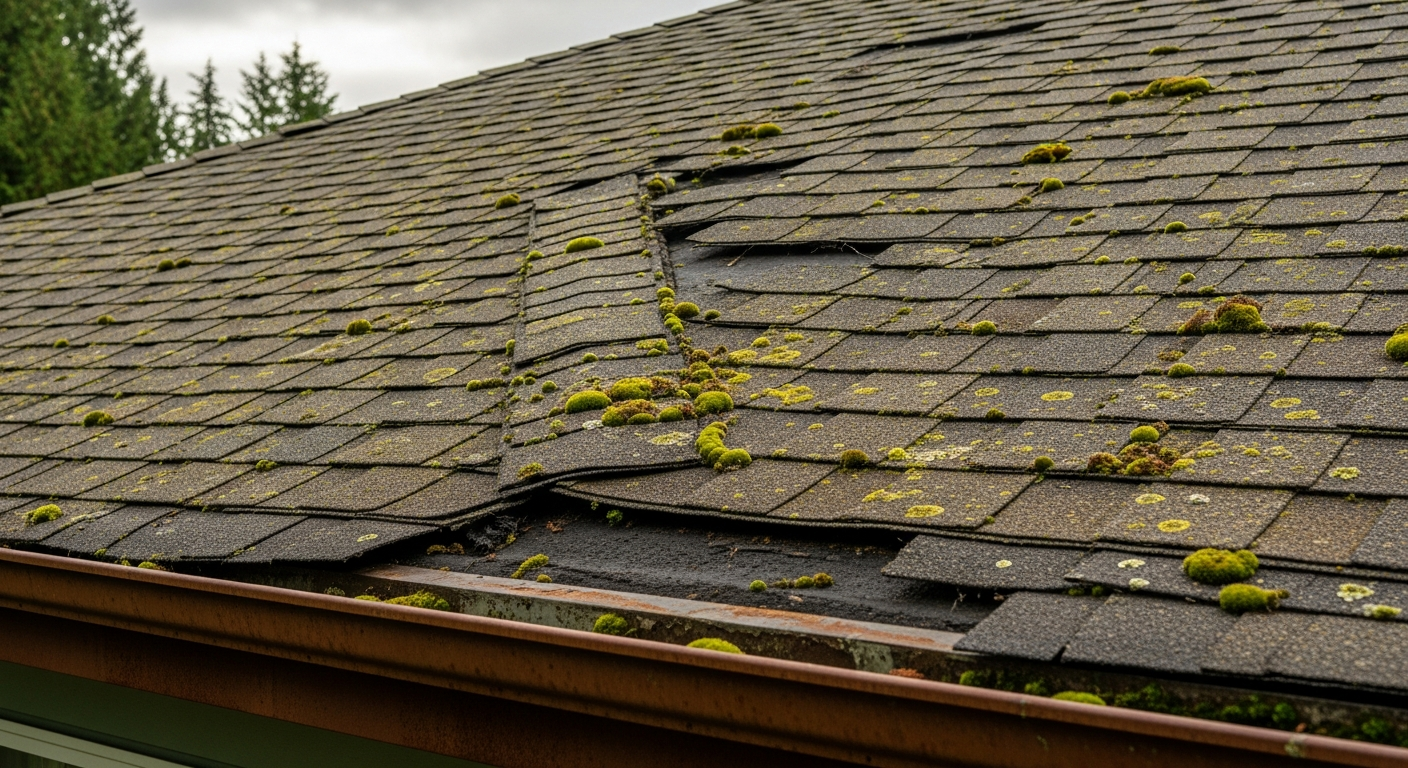
- Moss or algae damage resulting from lack of maintenance
Workmanship Warranty (Installation Coverage)
The workmanship warranty comes from your roofing contractor and covers errors made during installation. This is often the more important warranty because most early roof failures are caused by installation mistakes, not material defects.
What workmanship warranties typically cover:
- Leaks caused by improper flashing installation
- Problems from incorrect nailing patterns or depth
- Ventilation deficiencies that cause premature material failure
- Seal failures at penetrations (vents, pipes, chimneys)
Workmanship warranty terms vary widely between contractors. Some offer as little as one to two years, while established contractors like K Single Corp offer 10 years. The length of the workmanship warranty reflects the contractor’s confidence in their installation quality.
Enhanced Manufacturer Warranties
Some manufacturers offer enhanced or “system” warranties when their full product line is used (shingles, underlayment, ridge cap, starter strip, hip and ridge) and installed by a certified contractor.
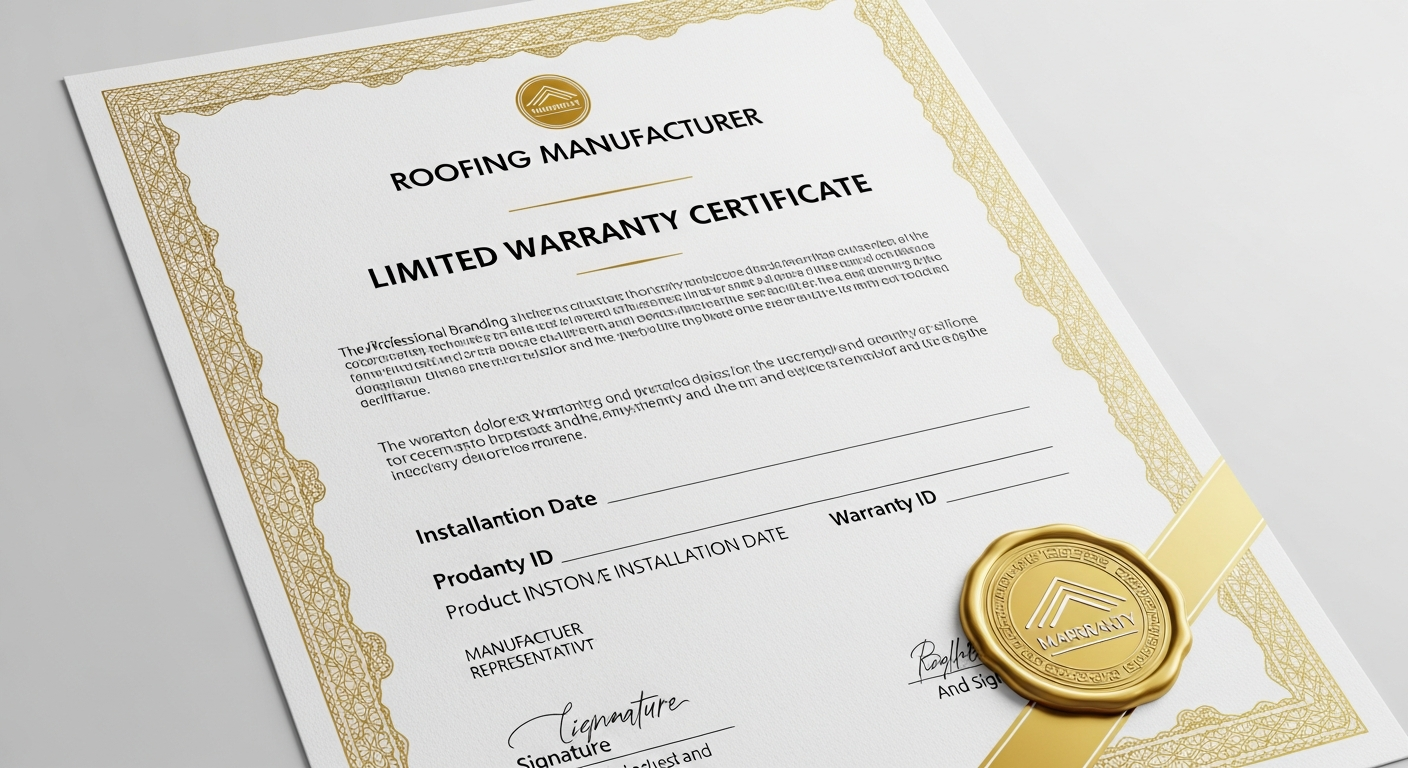
Standard warranty: Covers materials only, prorated after initial period.
Enhanced/system warranty: Extends coverage, may include labor costs for the first 10 to 25 years, and is often non-prorated for a longer initial period. These typically require:
- All components from the same manufacturer
- Installation by a manufacturer-certified contractor
- Proper ventilation meeting the manufacturer’s specifications
- Warranty registration within 30 to 90 days of installation
The upgrade from a standard to an enhanced warranty is often free or costs just $100 to $300 in additional product costs. It is almost always worth it.
What Voids Your Roofing Warranty
Knowing what can void your warranty is just as important as knowing what it covers. These are the most common warranty-voiding actions homeowners take without realizing the consequences.
Pressure Washing
Pressure washing blasts granules off composition shingles, destroying their UV and weather protection. Every major shingle manufacturer explicitly excludes pressure washing damage from warranty coverage.
Improper Ventilation
Attic ventilation is critical for shingle performance. Without proper intake (soffit vents) and exhaust (ridge vent), heat and moisture build up in the attic, baking shingles from underneath and causing premature curling and failure.
Most manufacturer warranties require a balanced ventilation system meeting minimum standards (typically 1 sq ft of net free area per 150 sq ft of attic space, or 1:300 with balanced intake and exhaust). If your attic is not properly ventilated, the manufacturer can deny a warranty claim.
Unauthorized Repairs
Having a handyman or unlicensed contractor patch your roof with mismatched or incompatible materials can void warranty coverage. If a repair is needed, use the original installer or a contractor who uses compatible products from the same manufacturer.
Adding Penetrations Without Proper Flashing
Installing satellite dishes, solar panels, or other rooftop equipment without proper flashing and sealant creates leak points that void warranty coverage. Always use qualified installers who follow roofing best practices when adding anything to your roof.
Walking on the Roof
Excessive foot traffic damages shingle granules and can crack tiles. Some warranty language excludes damage from foot traffic. If something needs attention on your roof, call a professional rather than climbing up yourself.
How to Maximize Your Warranty Protection
Follow these steps to keep your warranty valid and your roof performing for its full expected lifespan.

1. Choose a Manufacturer-Certified Contractor
Installation by a certified contractor is often required for enhanced warranty coverage. Certification means the contractor has completed manufacturer training and agrees to follow specific installation standards. K Single Corp holds certifications from major roofing manufacturers.
2. Register Your Warranty
Most manufacturers require registration within 30 to 90 days of installation. Your contractor should handle this, but follow up to confirm. Without registration, you may only get a limited, shorter warranty instead of the full coverage you paid for.
3. Schedule Annual Inspections
An annual professional inspection catches small issues before they become warranty claims. Inspections also create a documented maintenance history that supports future claims by proving you maintained the roof responsibly.
4. Maintain Your Roof
Keep gutters clean, remove debris from valleys, trim overhanging branches, and address moss before it gets established. Regular maintenance is not just good practice. It is often a warranty requirement.
5. Keep Records
Save your warranty documents, registration confirmation, installation contract, material specifications, and records of all maintenance and inspections. A well-documented maintenance history strengthens any future warranty claim.
What to Do When You Need a Warranty Claim
If you believe you have a warranty-covered issue, follow this process.
Step 1: Contact your installing contractor first. If it is an installation issue, their workmanship warranty covers it directly. If it is a material defect, they can help you file a manufacturer claim.
Step 2: Document the problem with photos and notes. Include dates, weather conditions when the issue was noticed, and the extent of the damage.
Step 3: Gather your warranty documents, registration proof, and maintenance records.
Step 4: The manufacturer will typically send an inspector to evaluate the claim. Having clean documentation and a maintenance history significantly increases claim approval rates.
Questions to Ask About Warranties Before Signing
Before you sign a roofing contract, ask these questions.
- What is the manufacturer warranty term and is it prorated or non-prorated?
- What does the workmanship warranty cover and for how long?
- Will you register the warranty with the manufacturer?
- Are you a manufacturer-certified installer? Which enhanced warranties are available?
- What maintenance is required to keep the warranty valid?
- What happens if your company closes? Is the workmanship warranty transferable or insured?
A contractor who answers these questions clearly and provides documentation is one you can trust. Contact K Single Corp for a detailed warranty explanation with your free roofing estimate.