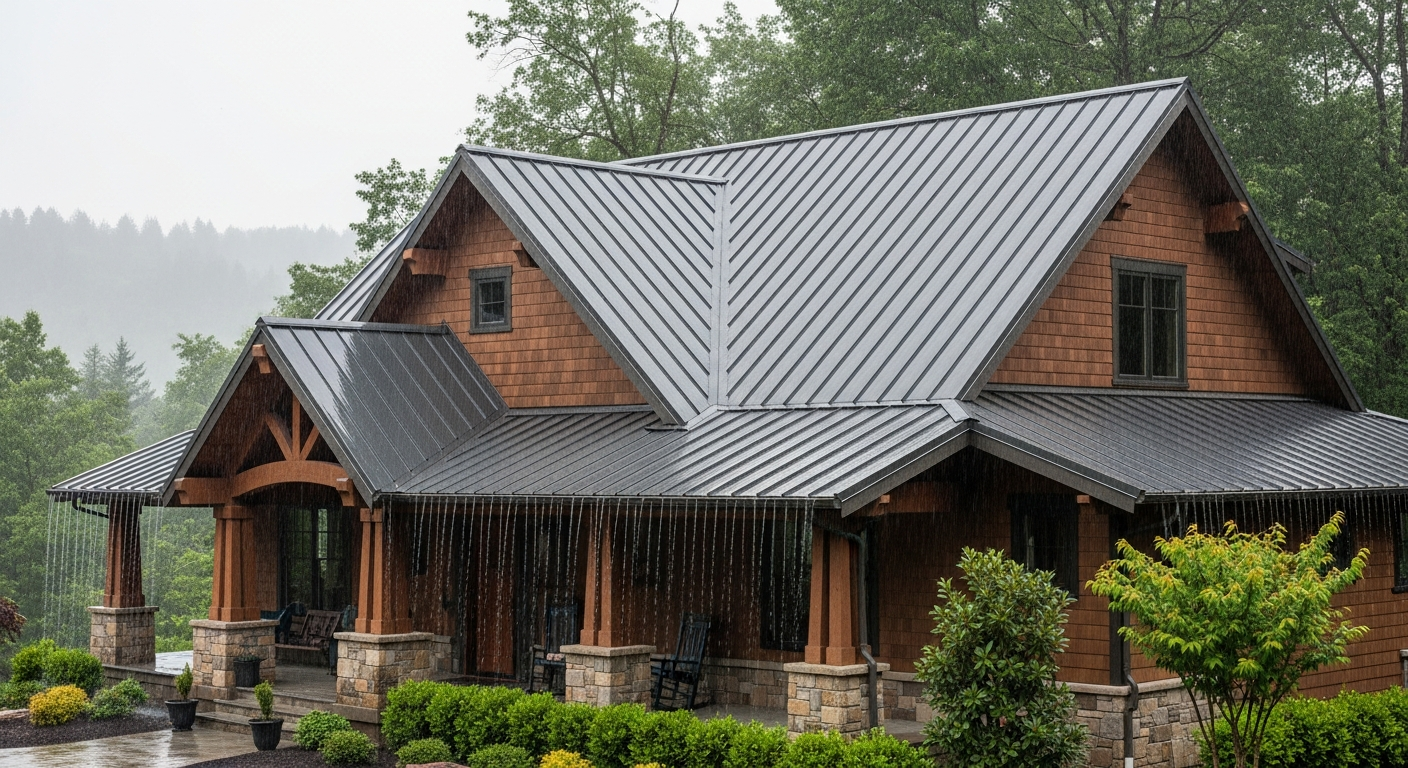
A standing seam metal roof lasts 40 to 70 years, resists moss and fire, handles Pacific Northwest wind and rain, and recovers roughly 85% of its cost at resale. It is one of the best long-term roofing investments a Seattle homeowner can make. But metal roofing also costs twice as much as asphalt shingles upfront and is not ideal for every home design or budget.
Here are 7 genuine pros and 7 genuine cons so you can decide whether metal is the right choice for your roof.
Metal Roofing: Pros and Cons at a Glance
7 Pros of Metal Roofing
1. Exceptional Lifespan
Standing seam metal roofing is a “last roof you will ever install” product for most homeowners. At 40 to 70 years of service life, a metal roof installed on your Seattle home today could still be performing in the 2070s.
This longevity means the cost per year of ownership often beats asphalt shingles. A $25,000 metal roof lasting 50 years costs $500 per year. A $12,000 shingle roof lasting 27 years costs $444 per year, but then you pay for a second roof, bringing the total lifetime cost higher.
2. Naturally Resists Moss and Algae
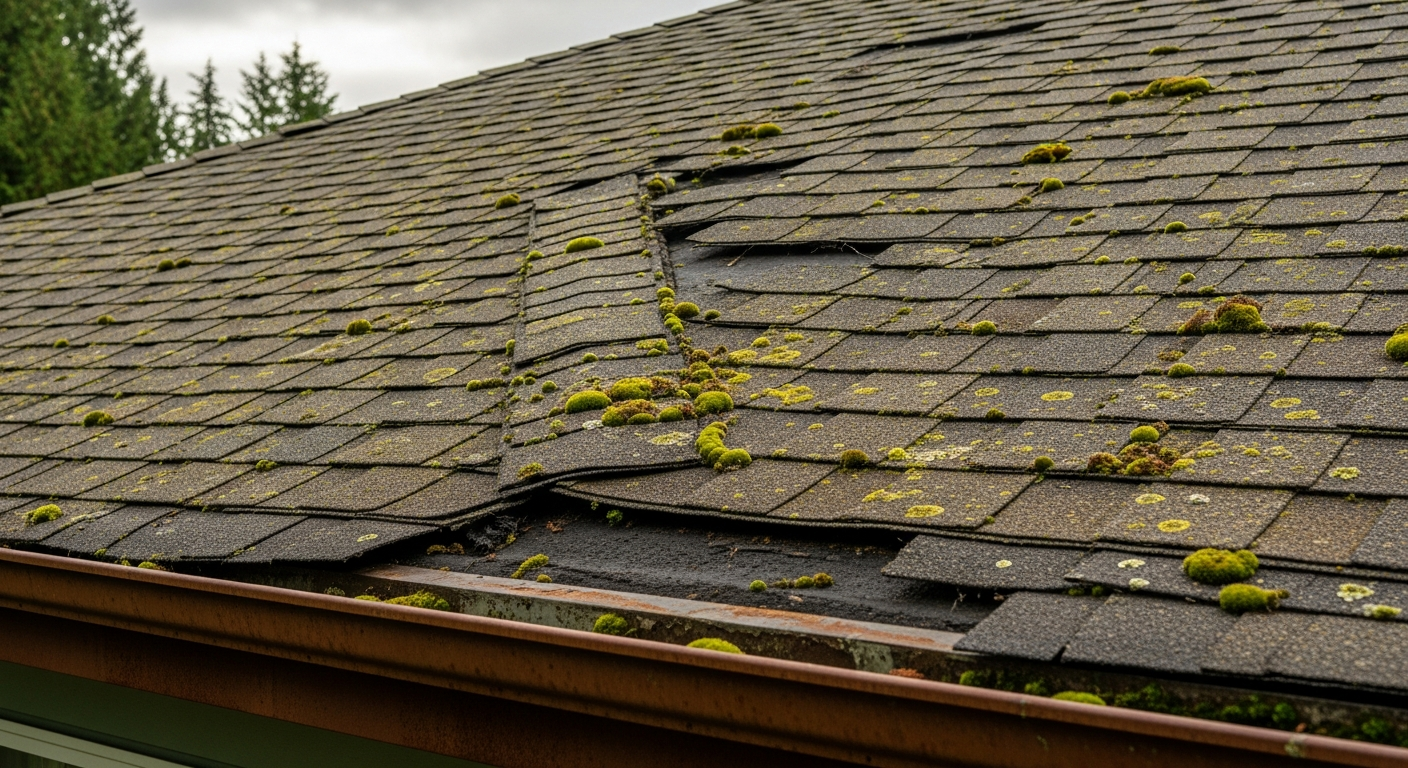
Moss is the defining maintenance challenge for Seattle roofs. It plagues asphalt shingles, destroys cedar shake, and requires annual treatment to keep in check. Metal roofing is naturally resistant to moss and algae because its smooth, non-porous surface offers no place for roots to anchor.
This alone makes metal roofing appealing to Pacific Northwest homeowners who are tired of annual moss treatment cycles.
3. Outstanding Wind and Storm Performance
Quality standing seam metal roofs are rated for winds of 110 to 150 mph, exceeding what even the strongest windstorms bring to the Puget Sound region. The interlocking panel design and concealed fastener system create a continuous surface that wind cannot lift.
4. Class A Fire Resistance
Metal roofing carries a Class A fire rating, the highest available. Unlike wood shake or asphalt shingles (which are combustible), metal panels will not ignite from airborne embers, fireworks, or nearby structure fires. For homes in wooded areas of Issaquah, Sammamish, and Woodinville, this provides meaningful safety.
5. Energy Efficiency
Metal roofs reflect solar radiation rather than absorbing it. Light-colored metal roofing can reduce cooling costs by 10% to 25% in summer. While Seattle’s cooling loads are modest compared to Sun Belt cities, the reflective benefit still contributes to lower energy bills during increasingly warm PNW summers.
6. High Resale Value
Metal roofing recovers approximately 85% or more of its installed cost at resale. Buyers recognize the value of a roof that will not need replacement for decades. In Seattle’s competitive market, a metal roof can differentiate your listing.
7. Environmentally Friendly
Metal roofing is 100% recyclable at end of life. Most metal panels already contain 25% to 95% recycled content. And because metal roofs last so long, they produce far less landfill waste over a building’s lifetime than materials that need replacement every 20 to 30 years.
7 Cons of Metal Roofing
1. Higher Upfront Cost
This is the primary barrier. A standing seam metal roof costs $18,000 to $35,000 for an average Seattle home, roughly double the price of architectural asphalt shingles. While the lifetime cost per year is competitive, the upfront check is significantly larger.
2. Denting Vulnerability
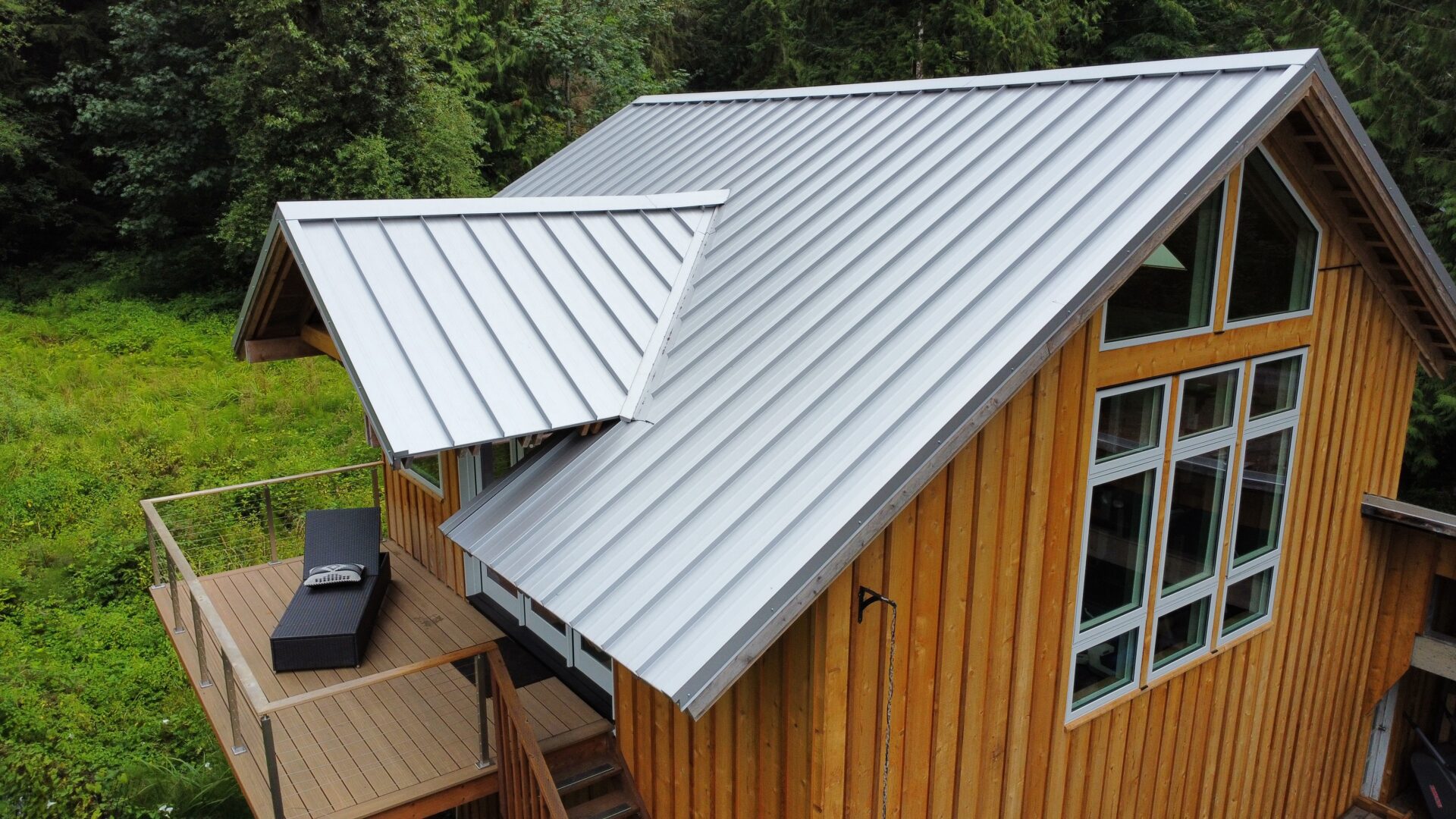
Metal panels can dent from heavy hail, falling branches, or careless foot traffic during maintenance. Standing seam panels are more dent-resistant than corrugated, but no metal roof is immune. Dented panels are cosmetic problems that do not affect performance, but they are visible and expensive to replace individually.
3. Oil Canning (Visible Waviness)
Oil canning is a slight waviness or rippling visible in flat metal panel surfaces. It is an inherent characteristic of thin metal sheets and is considered a cosmetic issue, not a defect. Most manufacturers specifically exclude oil canning from warranty coverage. Striations and pencil ribs in the panel profile minimize this effect.
4. Expansion and Contraction Noise
Metal expands when heated and contracts when cooled. On a roof, this can produce periodic popping or creaking sounds, particularly during rapid temperature changes at sunrise and sunset. The sounds are faint with proper installation (clips that allow panel movement), but they exist.
5. Fewer Contractor Options
Not every roofing company installs metal roofing well. Standing seam installation requires specialized tools, training, and experience that general shingle contractors may lack. Choosing an inexperienced installer is the fastest way to get a metal roof that leaks, oil cans excessively, or fails at transitions.
6. Limited Style Options for Traditional Homes
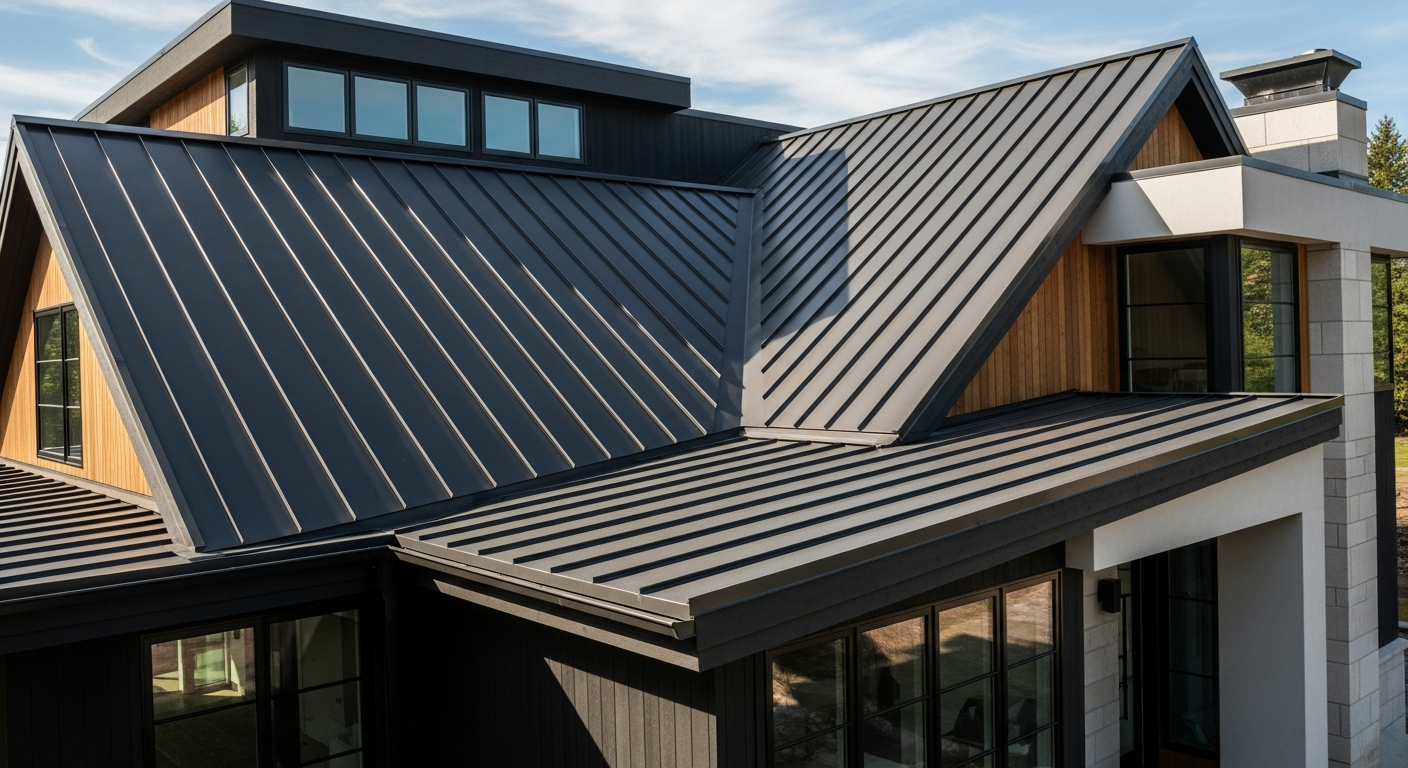
Standing seam metal roofing looks outstanding on modern, contemporary, farmhouse, and mid-century home designs. It can look out of place on traditional Colonial, Tudor, or ornate Victorian homes. Metal shingle profiles exist to bridge this gap, but they cost more and sacrifice some of the durability advantages of standing seam.
7. Difficult Repairs for Panel Damage
If a single standing seam panel is damaged, replacing it requires unsnapping or unclipping panels from the ridge down to the damaged section. This is more labor-intensive than replacing a few asphalt shingles. While damage is rare, when it happens, the repair process is more involved and costly.
Metal Roofing in Seattle: The Bottom Line
Metal roofing is one of the best long-term roofing investments available to Seattle homeowners. Its natural resistance to moss, fire, and wind makes it uniquely suited to Pacific Northwest conditions. The 40 to 70 year lifespan means you will likely never roof your home again.
The tradeoff is a higher upfront cost that roughly doubles the price of asphalt shingles. For homeowners who plan to stay in their home long-term and value low maintenance, that premium pays for itself many times over.
Browse our metal roofing project gallery to see recent installations, or contact us for a free estimate. Call K Single Corp at (206) 659-4349 to discuss whether metal roofing is the right fit for your home.