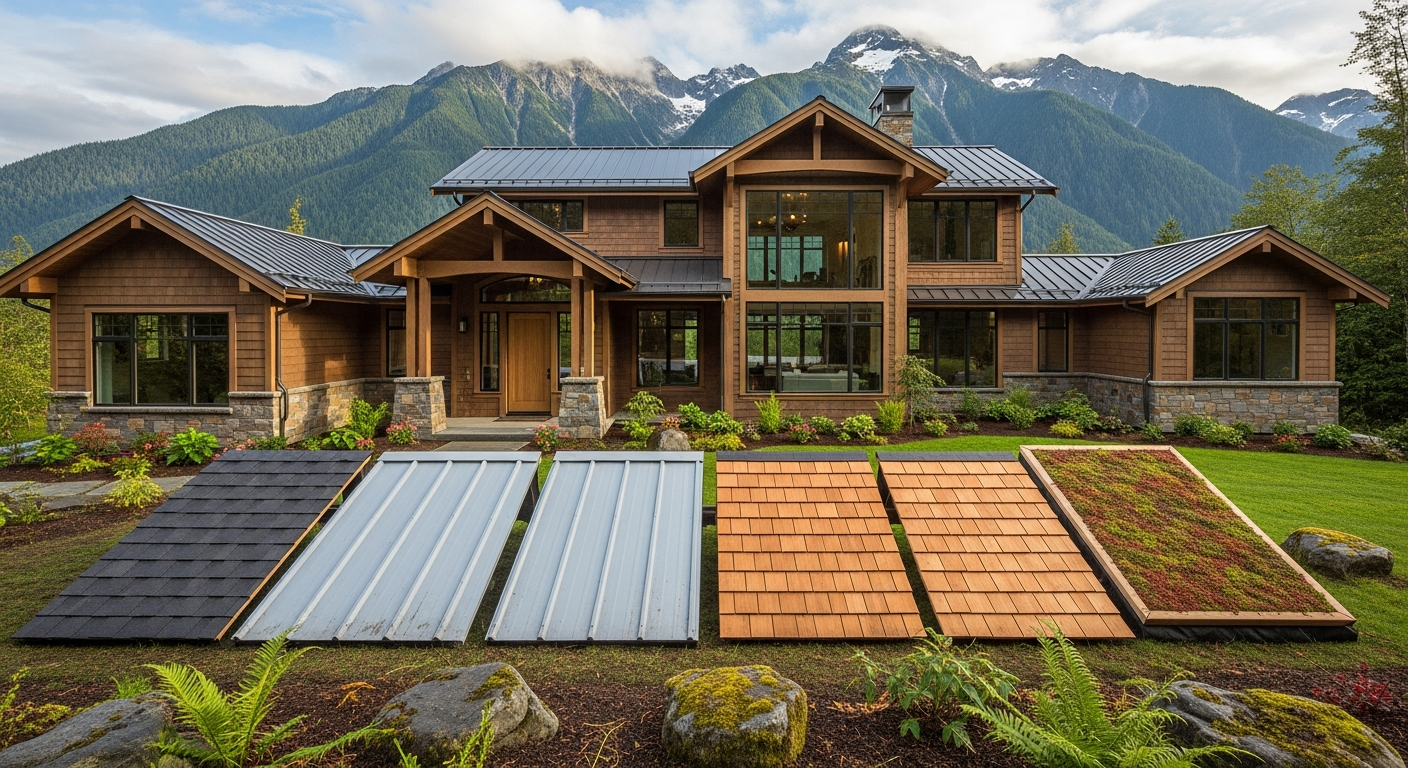
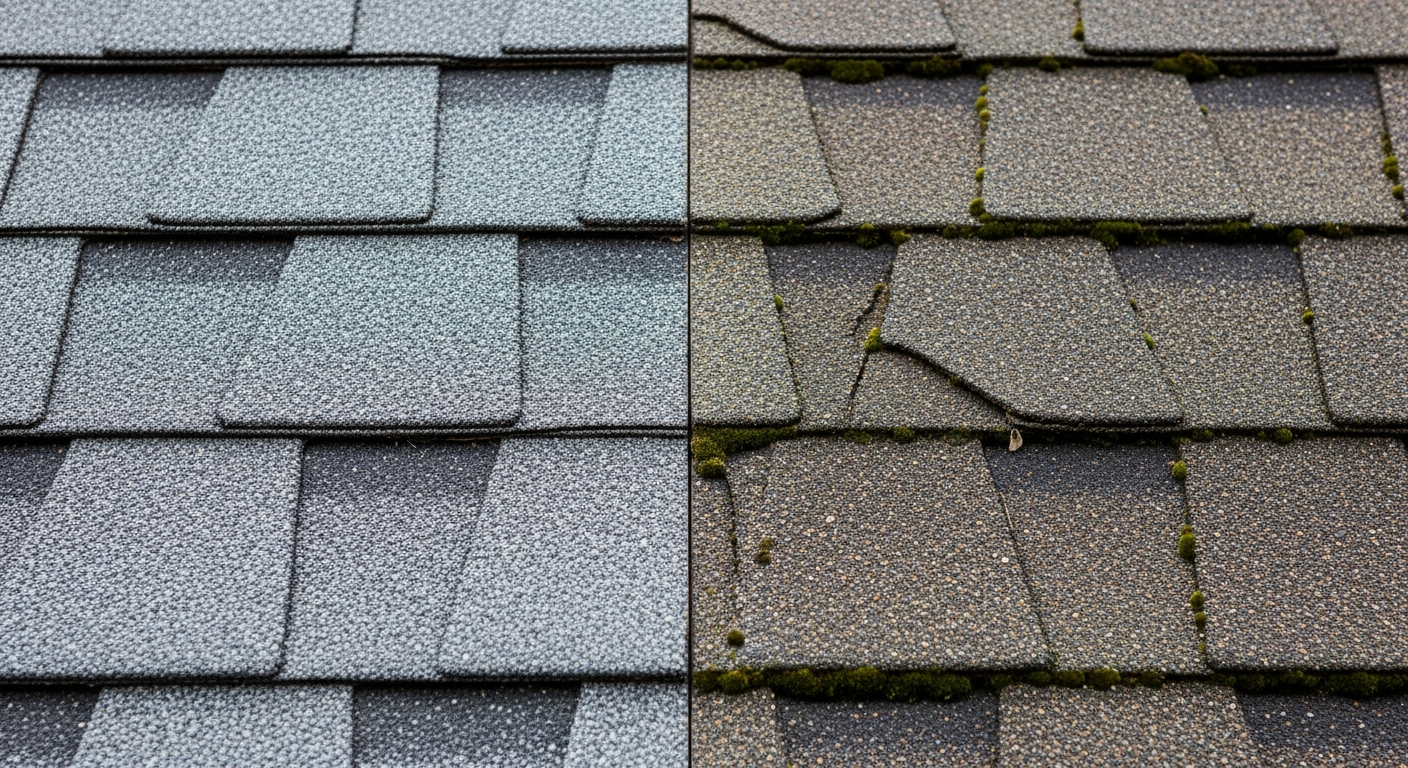
The average asphalt shingle roof in the Seattle area lasts 25 to 30 years, while metal roofs last 40 to 70 years and composite roofs last 40 to 60 years. However, these numbers are just starting points. The actual lifespan of your roof depends on material quality, installation techniques, ventilation, maintenance, and how aggressively Pacific Northwest weather tests it.
Here is what determines how long your roof will really last, and what you can do to get the most years out of it.
How Long Each Roofing Material Lasts
Roof Lifespan by Material Type
Every roofing material has a different expected service life. Here is what each type delivers in Seattle’s climate.
Asphalt Shingles
Three-tab asphalt shingles last 15 to 20 years. Architectural (dimensional) shingles last 25 to 30 years. Designer/luxury shingles can reach 30 to 50 years. These are the ranges for properly installed roofs with adequate ventilation in the Pacific Northwest.
In practice, many asphalt shingle roofs in the Seattle area fail before reaching their full rated lifespan. The most common reasons are poor ventilation, deferred moss treatment, and installation shortcuts like using four nails per shingle instead of six.
Metal Roofing
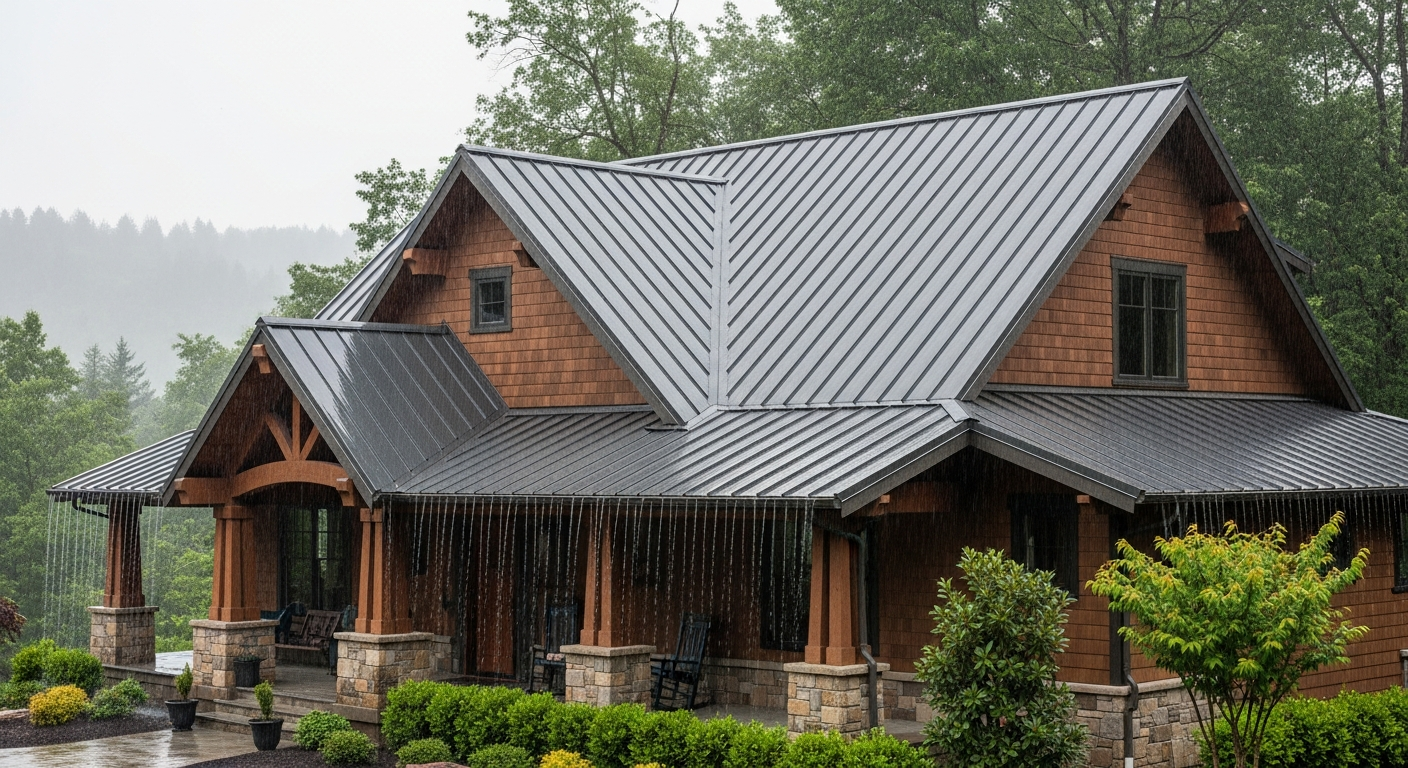
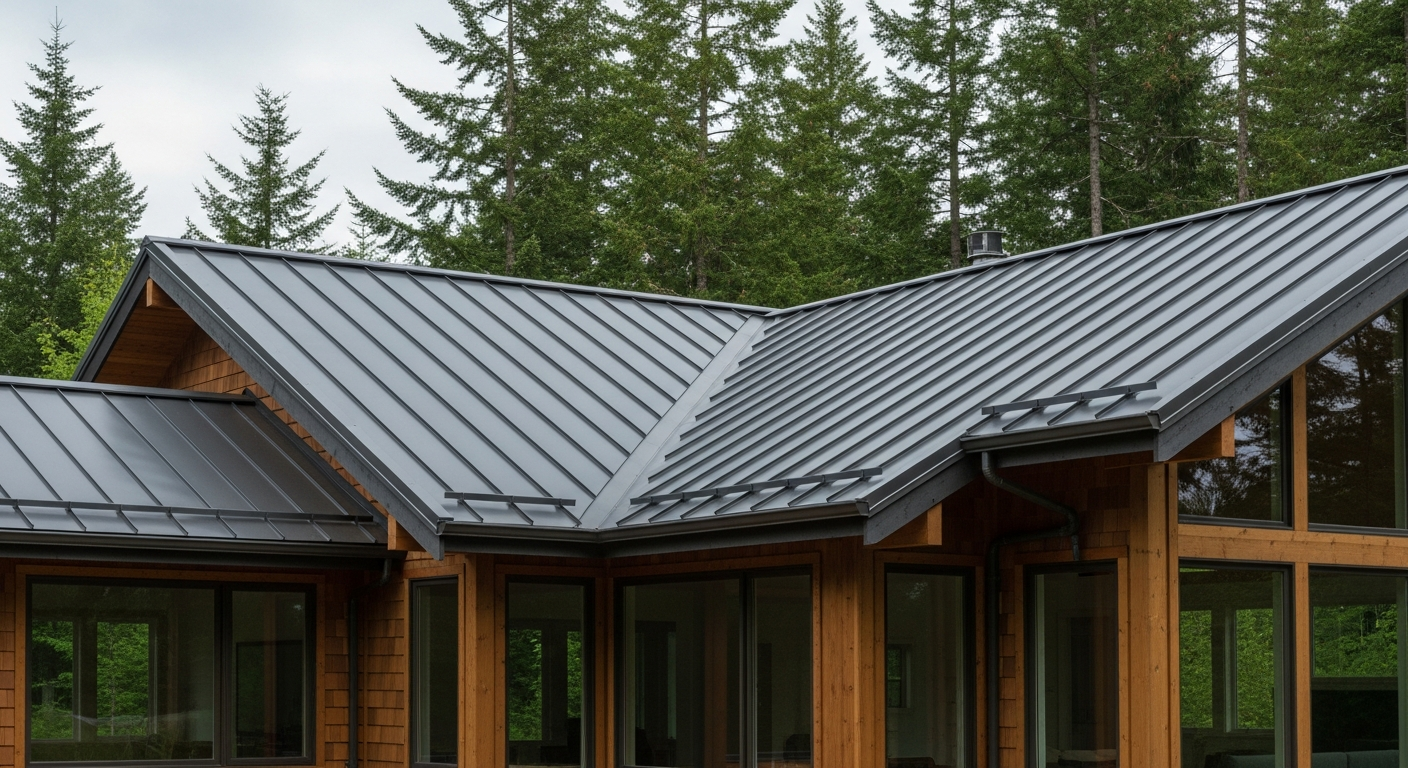
Standing seam metal roofs last 40 to 70 years. Corrugated and exposed-fastener metal panels last 25 to 40 years. Metal is exceptionally durable in the Pacific Northwest because it sheds water instantly, resists moss growth, and handles wind well.
The longevity gap between standing seam and corrugated metal comes down to fastener exposure. Standing seam uses concealed clips that do not penetrate the surface, eliminating the most common failure point. Exposed-fastener systems eventually develop leaks around screw holes as washers degrade.
Cedar Shake
Cedar shake lasts 20 to 40 years, but this range is wide because maintenance makes an enormous difference. A well-maintained cedar roof in Seattle can push past 35 years. A neglected one can fail in 15 years.
Flat Roofing (TPO/PVC/EPDM)
TPO and PVC membrane roofs last 20 to 30 years. EPDM rubber roofs last 15 to 25 years. Built-up roofing (BUR) lasts 15 to 20 years. Flat roofs in Seattle face extra stress from standing water and require diligent drainage maintenance.
Composite / Synthetic
Composite shingles last 40 to 60 years. This is one of the newer material categories, so real-world data is still accumulating. Manufacturer warranties and accelerated aging tests support these projections.
6 Factors That Shorten Roof Lifespan
Understanding what kills roofs early helps you prevent it. Here are the six biggest factors in the Seattle area.
1. Poor Attic Ventilation
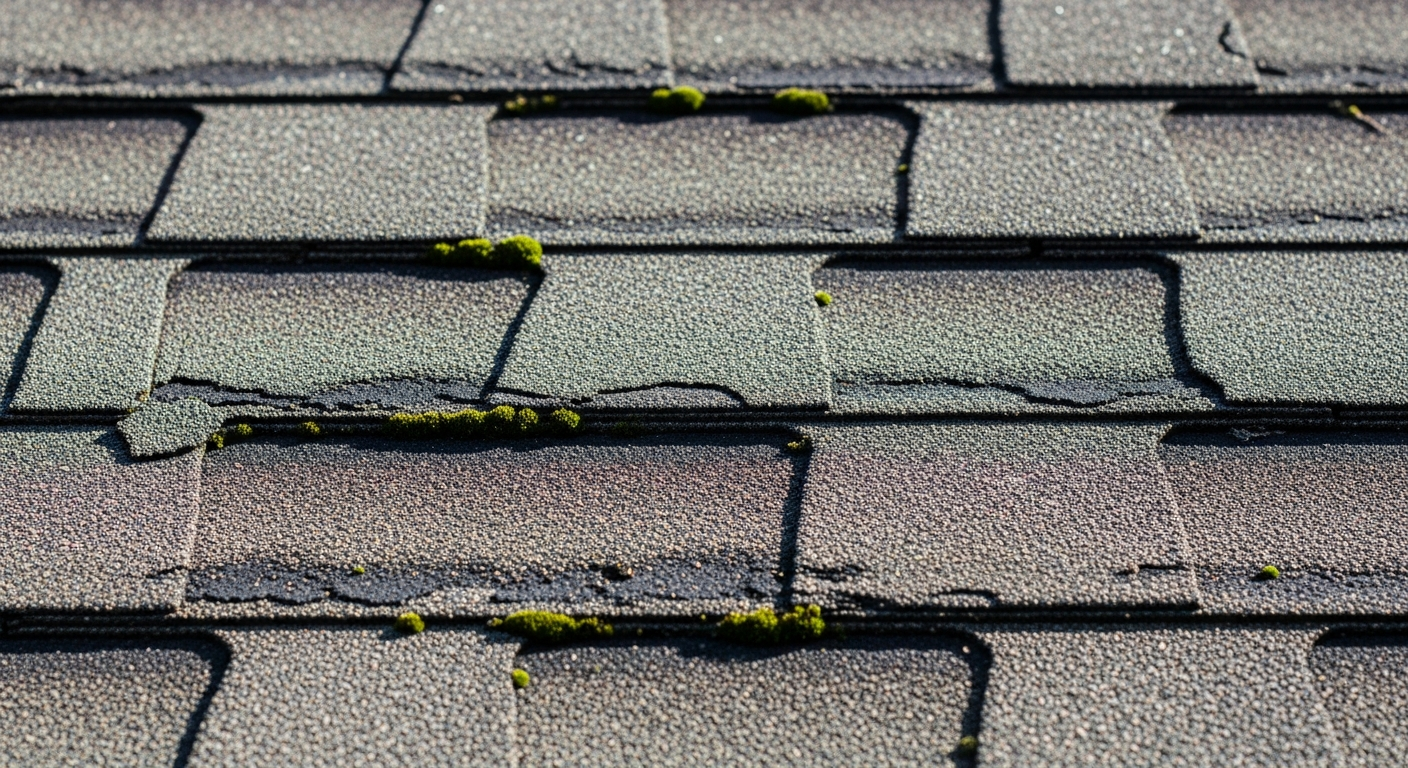
This is the single most impactful factor. Without balanced ventilation (soffit intake paired with ridge exhaust), heat and moisture get trapped in the attic space. In summer, trapped heat bakes shingles from below, accelerating granule loss. In winter, warm moist air condenses on cold roof decking, causing rot.
2. Moss and Algae Growth
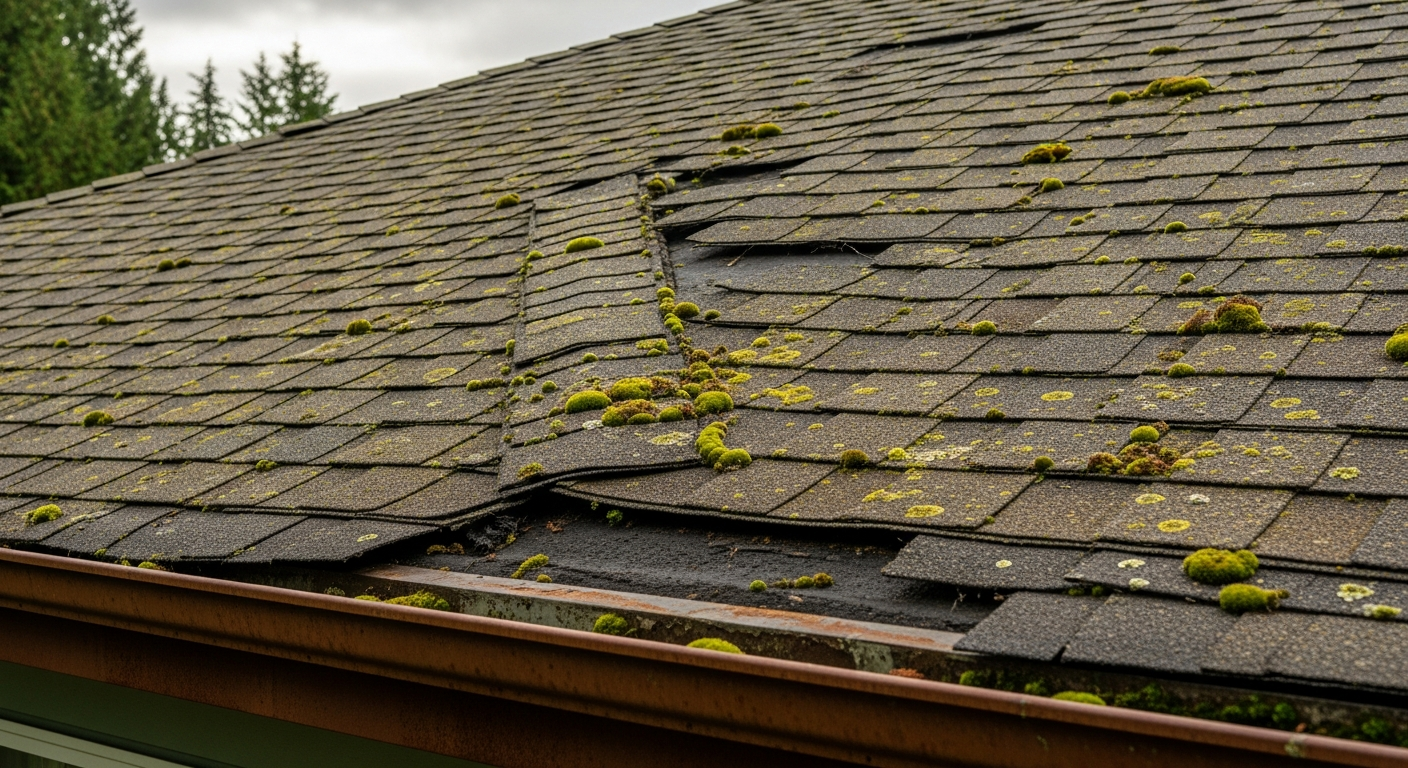
Seattle’s damp climate promotes moss and algae on every roof material except metal. Surface moss is primarily cosmetic, but moss that roots into shingle surfaces creates real damage. It holds moisture against the material, lifts edges to allow water penetration, and accelerates material breakdown.
3. Poor Installation Quality
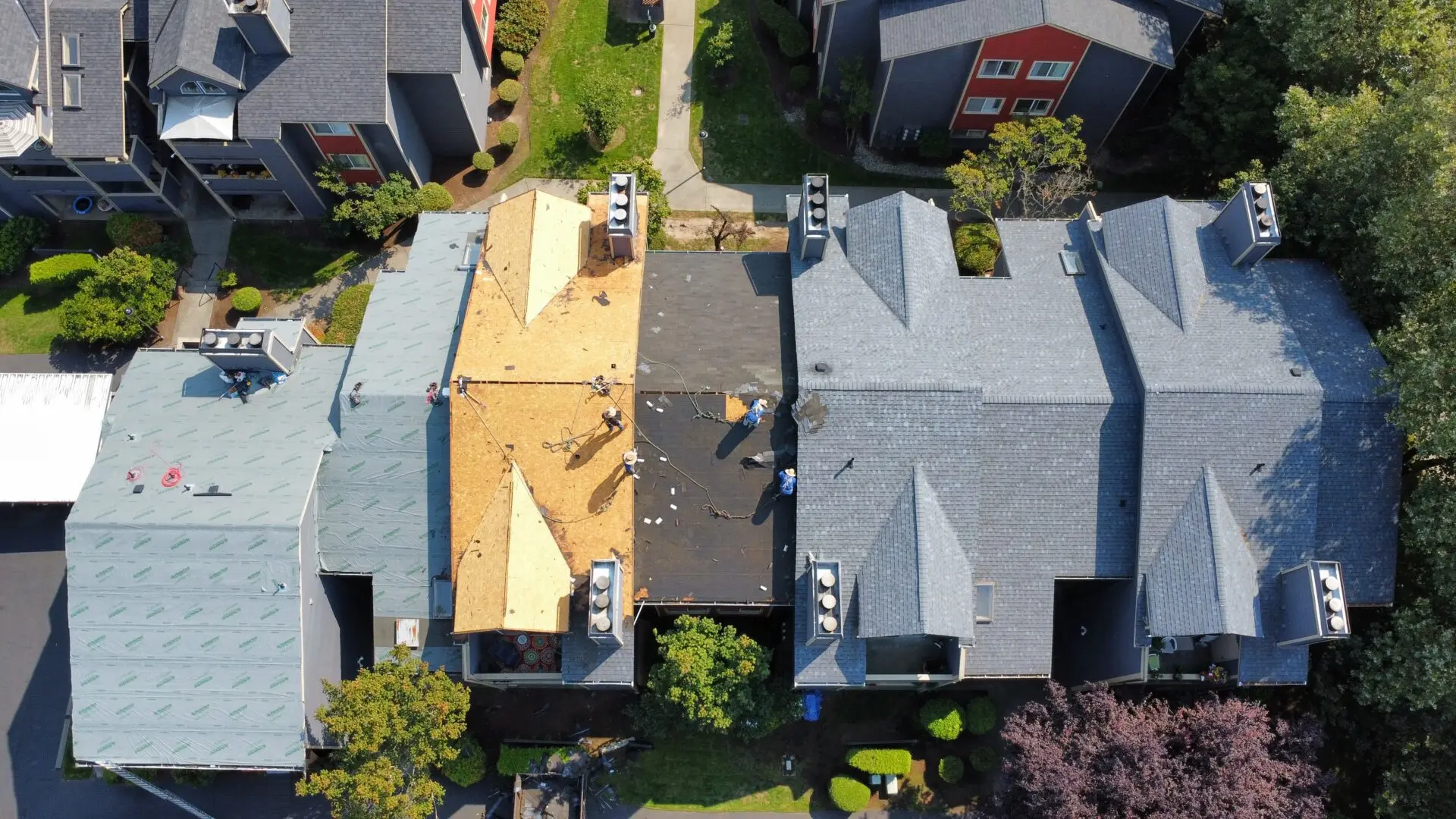
A roof is only as good as the crew that installed it. Common installation mistakes that shorten lifespan include insufficient nail count, improper nail placement (too high on the shingle), missing ice-and-water shield in valleys, inadequate starter strips, and poor flashing around penetrations.
4. Overhanging Trees
Trees that hang over roofs create three problems: they deposit debris that holds moisture, they shade the roof surface (promoting moss), and falling branches cause direct impact damage. In Seattle, this is especially common with Douglas fir, Western red cedar, and big leaf maple.
5. Inadequate Gutter Maintenance
Clogged gutters cause water to back up under roof edges, saturating fascia boards and the bottom course of shingles. In freeze-thaw cycles, this creates ice dams that force water under the roof surface. Seattle does not get heavy ice, but occasional freezing temperatures combined with clogged gutters still cause damage.
6. Previous Repair History
A roof with a history of patches, sealant application, and partial repairs often has underlying issues that compound over time. Every repair creates a potential weak point. If your roof has been patched multiple times, it may be more cost-effective to replace it than to keep adding repairs.
5 Ways to Extend Your Roof’s Lifespan
The flip side of what shortens life is what extends it. These five maintenance practices can add 5 to 10 years to any roof.
1. Annual Professional Inspections
A trained eye catches small problems before they become expensive ones. Loose flashing, cracked sealant around vents, displaced shingles, and early moss growth are all easy fixes when caught early. We recommend scheduling an inspection every spring after winter storms have passed.
2. Keep Gutters Clean
Clean gutters at least twice per year in the Seattle area. Once in late fall after leaves drop and once in spring. If you have overhanging trees, quarterly cleaning is better. Functional gutters keep water moving away from your roof edge and foundation.
3. Treat Moss Proactively
Do not wait for moss to take hold. Install zinc or copper strips along the ridge line. These metals release ions when it rains that inhibit moss growth across the entire roof surface. If moss is already present, have it professionally treated (soft wash, not pressure wash) before it roots in.
4. Trim Overhanging Branches
Maintain a minimum 6-foot clearance between tree branches and your roof surface. This reduces debris accumulation, allows sunlight to dry the roof faster after rain, and eliminates impact risk from falling limbs.
5. Fix Small Problems Immediately
A missing shingle, a lifted flashing edge, or a cracked pipe boot takes 30 minutes to repair and costs under $200. Left alone for a season, water intrusion can cause $2,000 to $10,000 in damage to decking, insulation, and interior ceilings.
When Is It Time to Replace Instead of Repair?
Age alone does not determine when to replace a roof. Condition does. Here are the signals that repair is no longer sufficient:
- Widespread granule loss visible in gutters and on the ground below downspouts
- Multiple shingle layers curling, cupping, or cracking across broad areas (not just isolated spots)
- Daylight visible through roof boards from inside the attic
- Sagging sections indicating structural damage to decking or rafters
- Recurring leaks in different locations despite previous repairs
- Age beyond 80% of the material’s rated lifespan (20+ years for architectural shingles)
Get a Free Roof Lifespan Assessment
K Single Corp provides free roof inspections for homeowners across King, Snohomish, and Pierce counties. We will assess your roof’s current condition, estimate its remaining useful life, and give you honest guidance on whether maintenance, repair, or replacement is the right move.
Schedule your free inspection or call (206) 659-4349. We have been helping Seattle-area homeowners get the most out of their roofs since 2007.