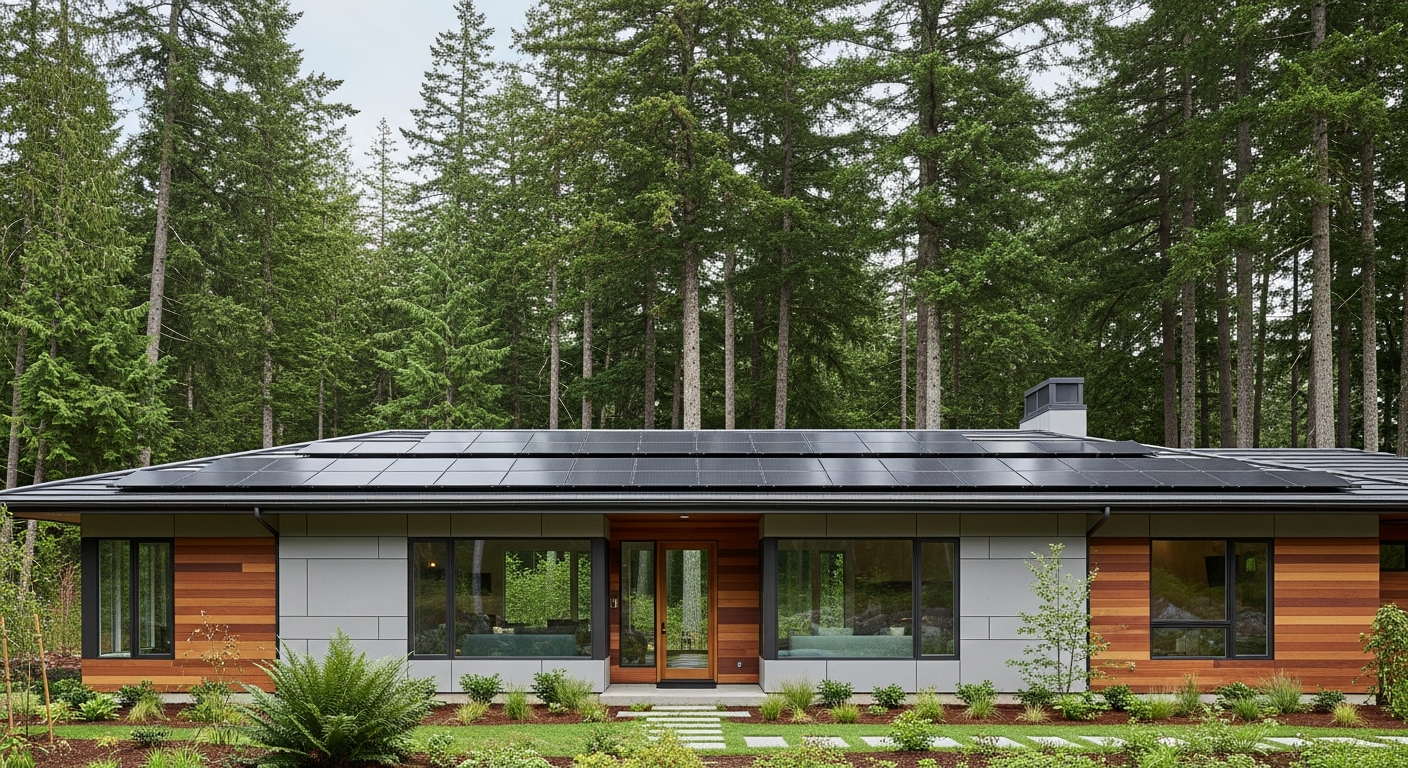
A new roof with proper ventilation and modern materials can reduce your home’s energy costs by $200 to $600 per year. The savings come from three sources: improved thermal reflection, balanced attic ventilation, and elimination of gaps and deterioration in your current roofing system. Over a 25 to 50 year roof lifespan, those annual savings add up to $5,000 to $30,000 in reduced energy bills.
Here is how each factor contributes to energy savings, and which upgrades deliver the best return for Seattle-area homeowners.
How Roof Pitch Affects Cost and Performance
Why Your Old Roof Is Wasting Energy
A deteriorated roof affects your energy bills in ways that are not always obvious. Understanding the mechanisms helps you see why a new roof is not just protection from rain. It is an energy upgrade for your entire home.
Heat Transfer Through Degraded Materials
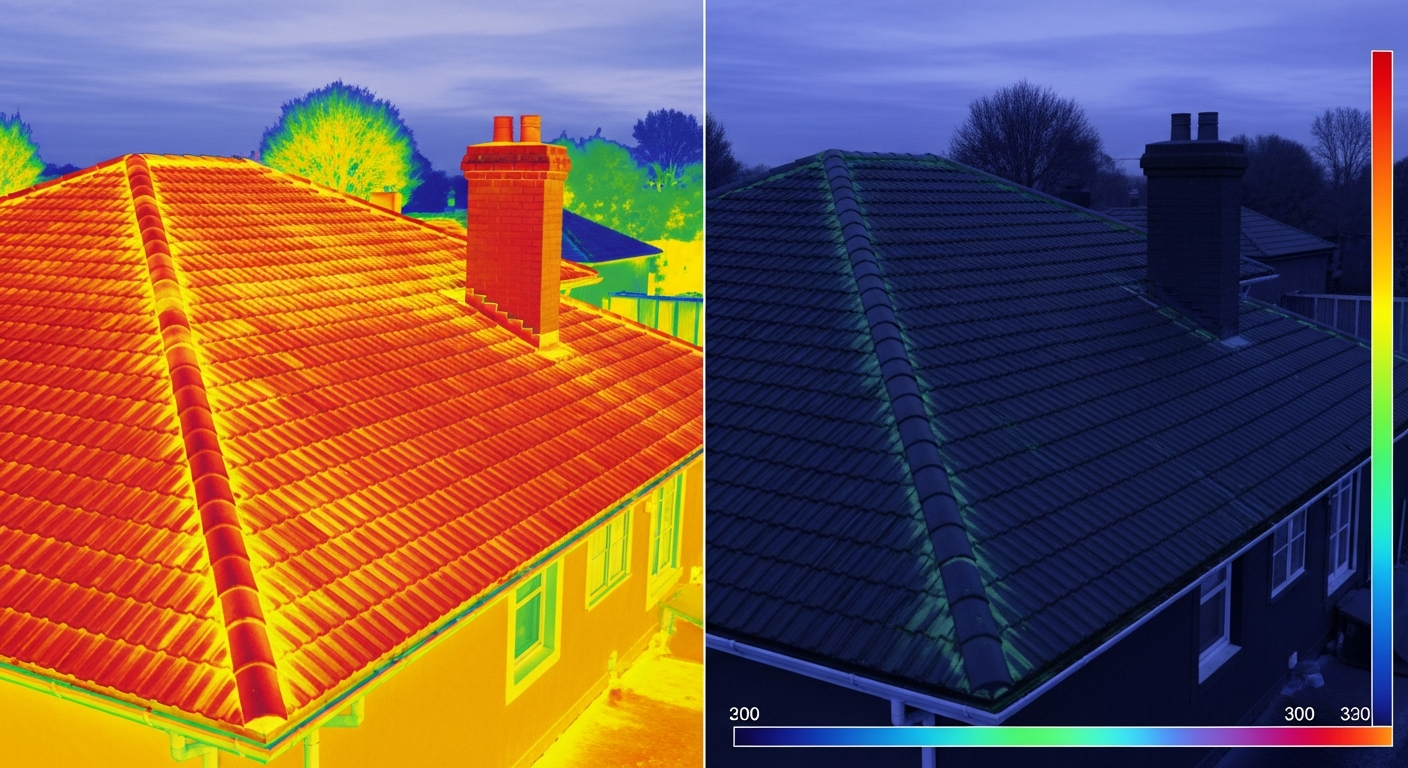
As roofing materials age, they lose their reflective properties. Shingle granules erode, exposing dark asphalt that absorbs more solar heat. That heat transfers into your attic, making your cooling system work harder in summer and reducing the effectiveness of your insulation year-round.
Air Leaks and Gaps
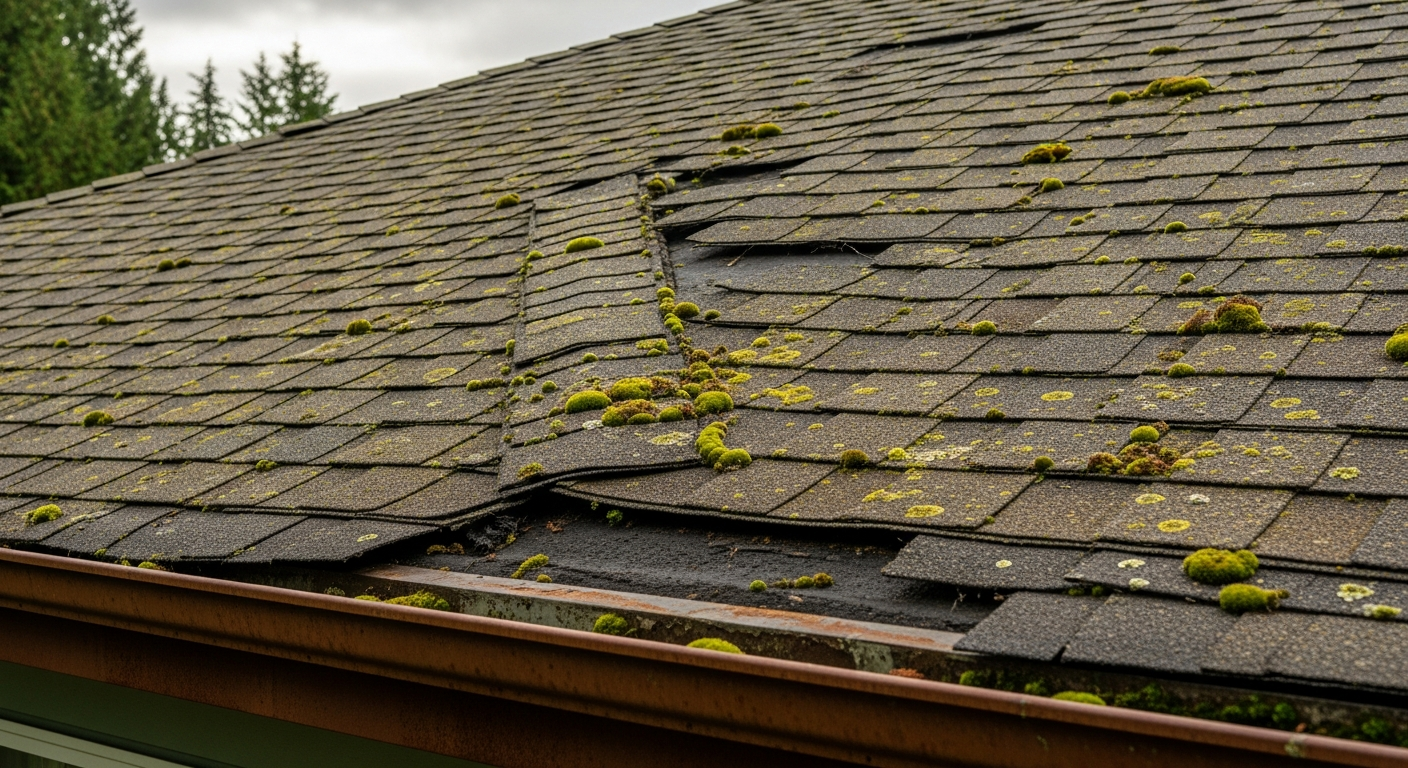
Curled, cracked, or missing shingles create gaps where conditioned air escapes and outside air infiltrates. Even small gaps across a 2,000 sq ft roof add up to significant energy loss. A new roof with properly sealed underlayment and flashing eliminates these leaks.
Moisture-Damaged Insulation
In Seattle’s wet climate, a leaking roof degrades attic insulation over time. Wet fiberglass insulation loses up to 40% of its R-value. Wet cellulose insulation compresses and can grow mold. When you replace your roof and discover damaged insulation underneath, replacing it amplifies your energy savings.
How Roofing Materials Affect Energy Efficiency
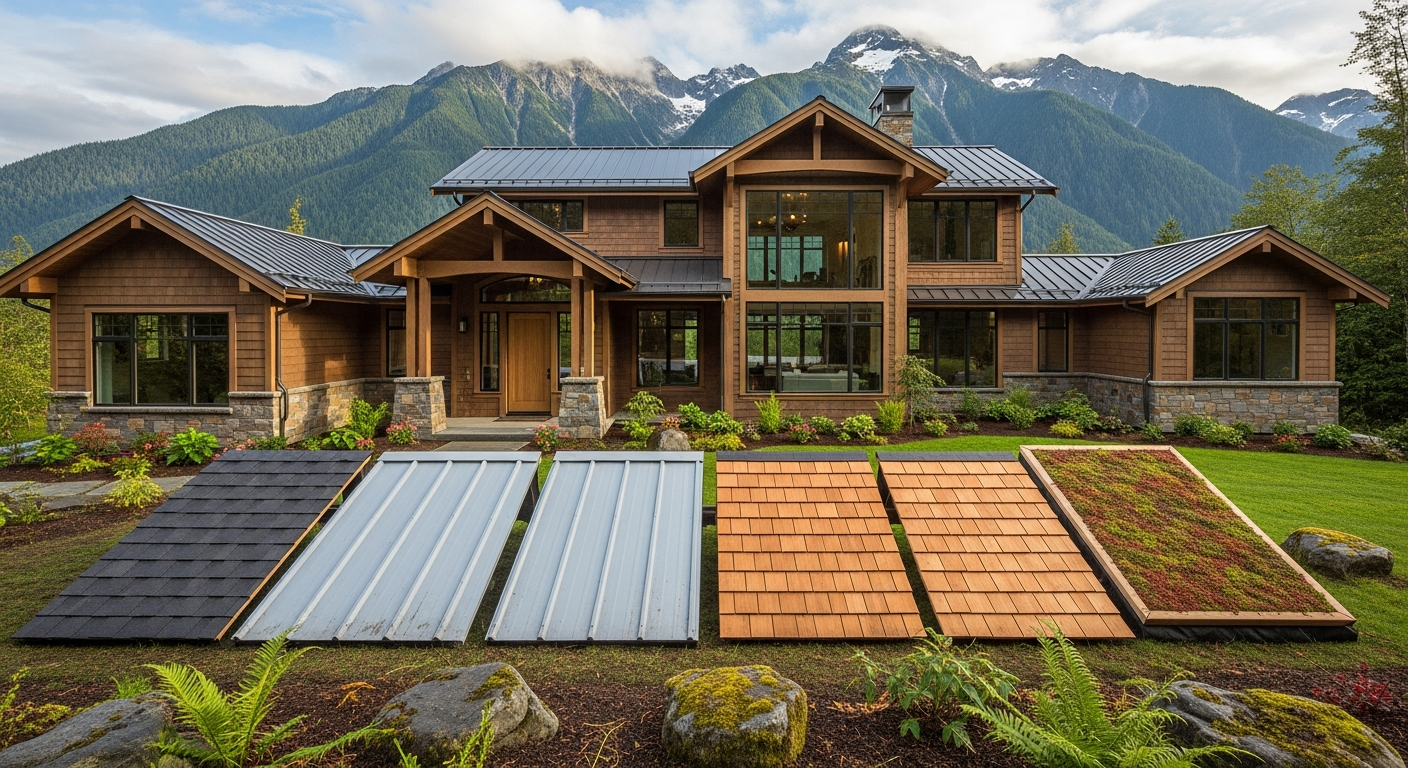
Not all roofing materials perform equally when it comes to energy efficiency. Here is how the most common options compare.
Metal Roofing: Best for Energy Efficiency
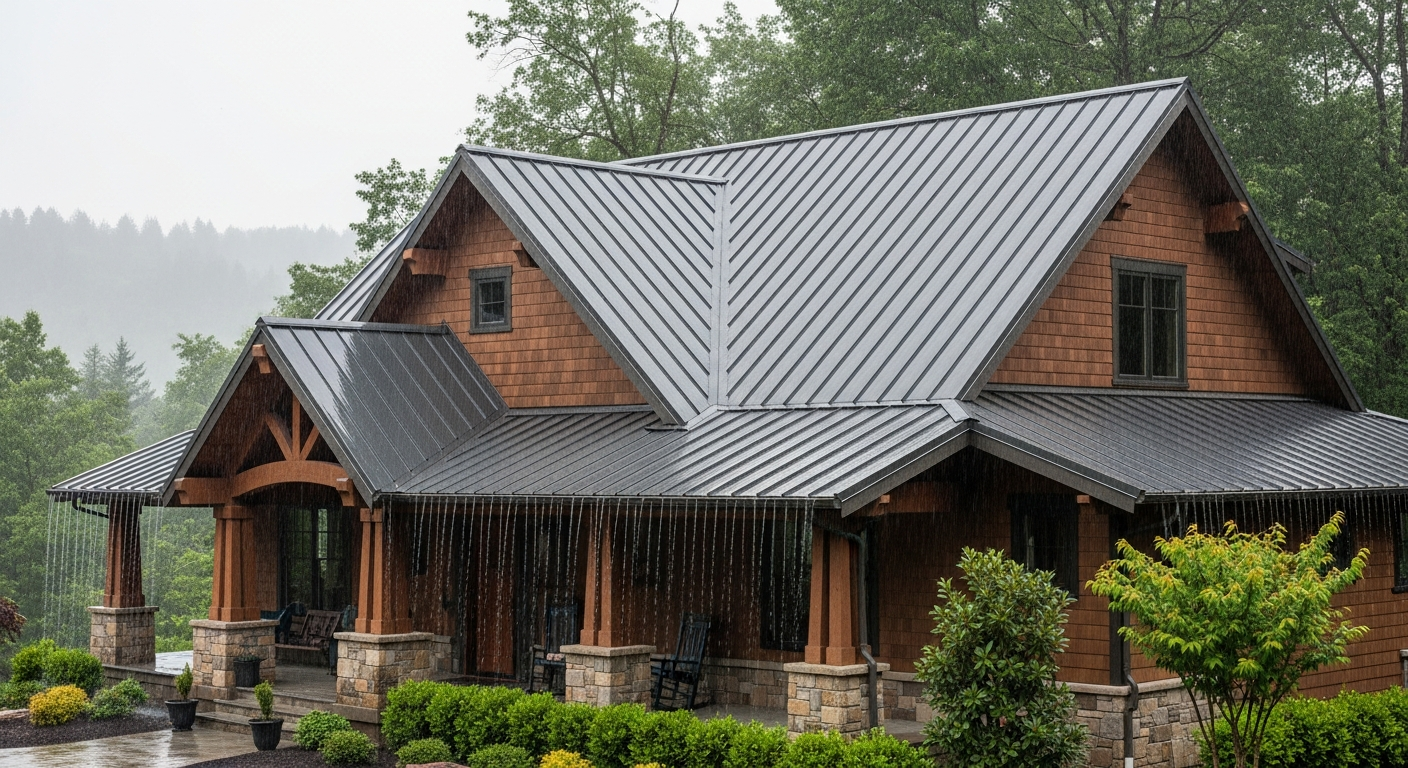
Metal roofing is the most energy-efficient roofing material available. Cool-rated metal panels reflect up to 70% of solar radiation, keeping your attic dramatically cooler in summer. In winter, metal works with proper insulation to maintain consistent interior temperatures.
Metal’s energy performance is one of the key reasons it is gaining popularity across the Seattle area. While our summers are mild compared to the Sun Belt, attic temperatures in dark-roofed Seattle homes still reach 140 to 160 degrees on sunny summer days. A reflective metal roof can cut that by 20 to 40 degrees.
For a full comparison, see our metal roofing vs. shingles guide.
Cool-Rated Shingles: Affordable Efficiency
Major shingle manufacturers now offer “cool-rated” or “Energy Star” shingles that use specially coated granules to reflect more solar energy. These shingles reflect 25% to 40% of solar radiation compared to 5% to 15% for standard dark shingles.
Cool-rated shingles cost only $300 to $800 more than standard shingles for a full roof. That premium pays for itself in 1 to 3 years of energy savings.
Cedar Shake: Natural Insulation
Cedar shake provides natural insulation value (R-1.5 to R-2.0) that is higher than shingles (R-0.44) or metal (R-0.0 without insulation). This inherent insulation provides modest energy benefits, though it does not match the reflective performance of metal or cool-rated shingles.
The Role of Attic Ventilation
Proper attic ventilation is arguably the single most impactful energy upgrade during a roof replacement. Many older Seattle homes have inadequate ventilation that traps heat in summer and moisture in winter.
How Balanced Ventilation Works
A balanced ventilation system uses intake vents (typically at the soffits) and exhaust vents (typically at the ridge) to create continuous natural airflow through the attic. Warm air rises and exits through the ridge vent, pulling cooler outside air in through the soffit vents.
This passive system works 24/7 without any energy input. It keeps summer attic temperatures within 10 to 15 degrees of outside air temperature (compared to 40 to 60 degrees above ambient in an unventilated attic).
Winter Benefits
Ventilation is equally important in Seattle’s wet winters. Without proper airflow, warm, moist air from your living space rises into the attic and condenses on the cold underside of the roof deck. This condensation causes:
- Mold and mildew growth
- Wood rot in framing and decking
- Insulation damage and reduced R-value
- Ice dam formation (less common in Seattle but possible during cold snaps)
Ventilation Upgrades to Consider
Ridge vent replaces passive static vents (box vents or turbines) with a continuous vent along the entire ridge line. It provides more consistent exhaust and a cleaner roof appearance. Cost: $300 to $800 during a roof replacement.
Soffit vents ensure adequate intake air. Many older Seattle homes have blocked or insufficient soffit vents. Adding or clearing soffit vents costs $200 to $600 during a roof replacement.
Baffles keep insulation from blocking soffit vents, ensuring airflow from the eaves to the ridge. They cost $100 to $300 for a full attic and are essential when adding insulation.
Underlayment and Its Energy Role
Modern synthetic underlayment contributes to energy efficiency in ways older felt paper did not. High-quality synthetic underlayment creates a more complete air barrier over the roof deck, reducing air infiltration. Some premium underlayments include reflective layers that add thermal performance.
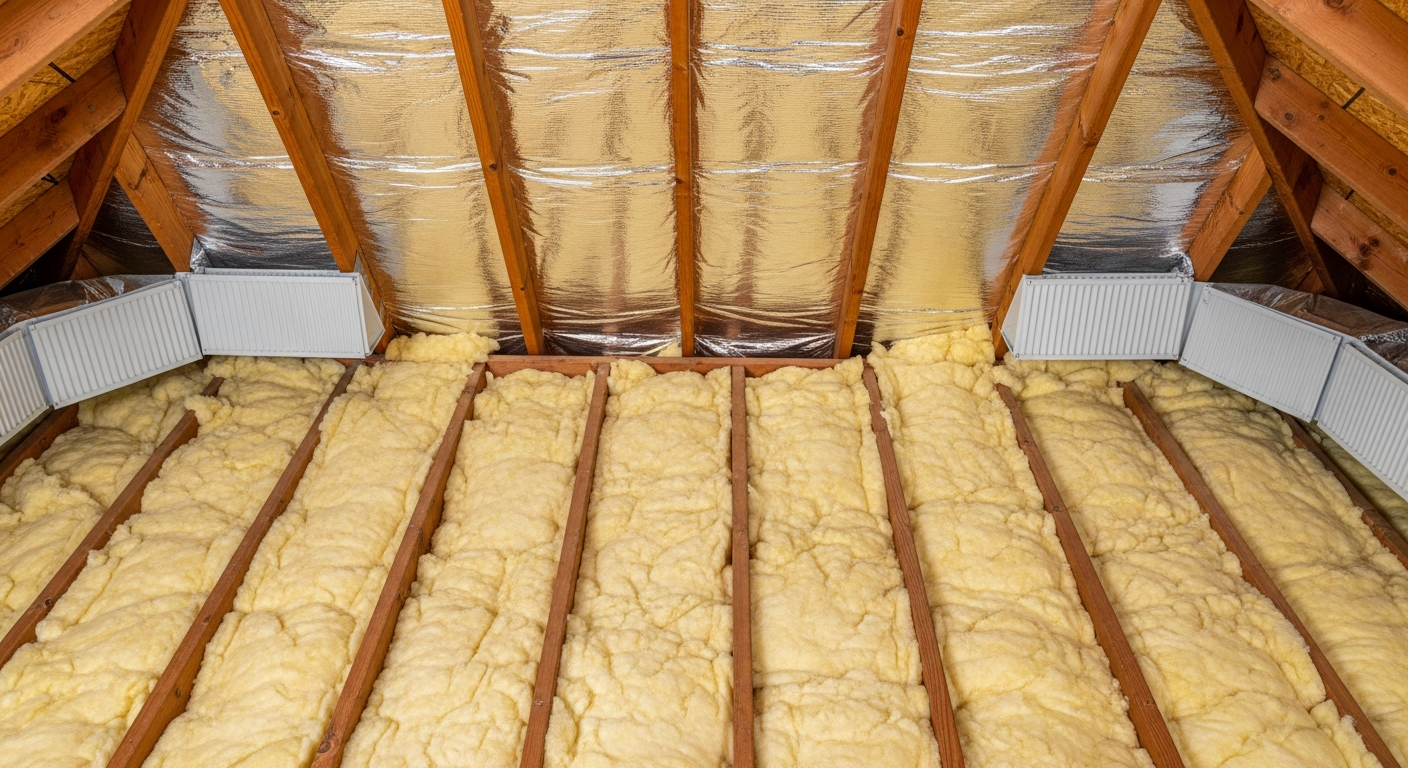
The cost difference between budget and premium underlayment is typically $200 to $500 for a full roof. The energy benefits, combined with better waterproofing performance, make premium underlayment a worthwhile upgrade in Seattle’s climate.
Calculating Your Potential Savings
Your actual savings depend on several variables. Here is how to estimate them for your home.
Current roof condition. The worse your current roof, the more you will save. A roof with significant granule loss, missing shingles, and poor ventilation is leaking both water and energy. Replacing it produces dramatic savings.
Material choice. Metal with cool-rated coating provides the highest energy savings ($300 to $600/year). Cool-rated shingles offer moderate savings ($150 to $350/year). Standard shingles still improve on a deteriorated roof ($100 to $250/year).
Ventilation upgrade. Adding balanced ventilation to an under-ventilated attic provides $100 to $200/year in additional savings beyond the material change.
Insulation condition. If wet or compressed insulation is discovered and replaced during the project, savings increase by another $100 to $300/year.
Making Energy Efficiency Part of Your Roof Project
When you request estimates for your roof replacement, ask each contractor about these energy-related upgrades.
- Cool-rated or Energy Star material options in your preferred style
- Attic ventilation assessment and upgrade recommendation
- Underlayment options with thermal performance data
- Insulation inspection and upgrade pricing
- Any available energy efficiency rebates or incentives
The best time to make these improvements is during a roof replacement when the deck is accessible and labor overlap keeps costs low. A roof project that addresses all four areas (material, ventilation, underlayment, insulation) delivers the maximum energy return.
Get an Energy-Smart Roofing Estimate
K Single Corp evaluates ventilation and insulation as part of every roof replacement estimate. We will recommend the combination of material, ventilation, and insulation upgrades that delivers the best energy performance for your budget. Contact us for a free assessment or call (206) 659-4349.