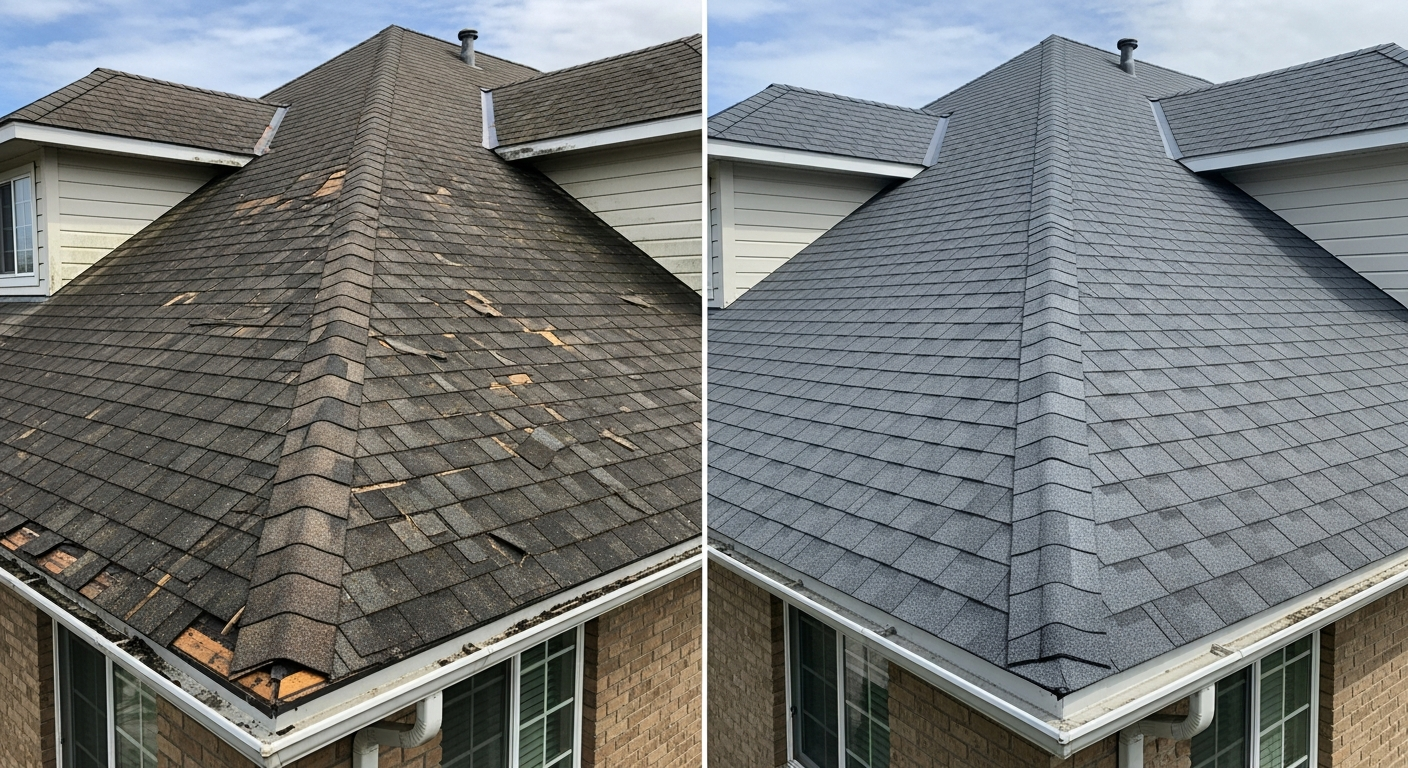
Seattle’s combination of 152 rainy days per year, mild winters, persistent shade from mature trees, and occasional windstorms creates a unique set of challenges for roofing materials. The 10 problems below are the issues we diagnose most often across King, Snohomish, and Pierce counties. Recognizing them early can save you thousands in repair costs.
Here is what to look for and how to address each problem.
Common Roof Warning Signs
1. Moss and Algae Growth
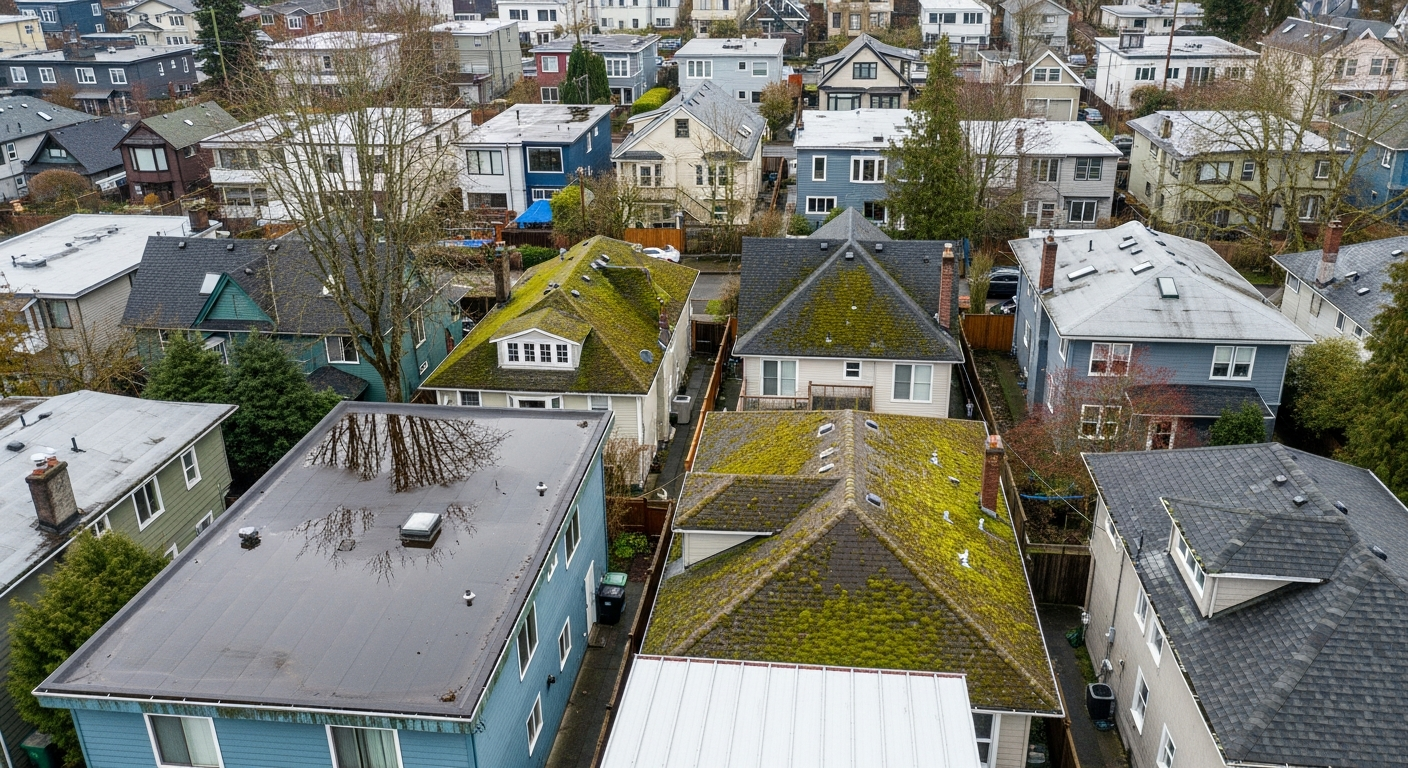
Moss is the defining roof problem of the Pacific Northwest. Seattle’s wet, mild climate and abundant tree cover create perfect growing conditions. Moss starts as a thin green layer but eventually thickens, roots into shingle surfaces, and lifts material edges to allow water penetration.
Surface-level moss is primarily cosmetic. The real damage starts when moss roots penetrate into shingle material, lifting granules and creating channels for water to flow underneath.
How to fix it: Professional soft-wash treatment kills existing moss without damaging shingles. Install zinc or copper strips at the ridge line for ongoing prevention. Trim branches to increase sunlight on the roof surface. Never pressure wash a shingle roof. The high-pressure spray destroys the protective granule surface.
2. Poor Attic Ventilation
Inadequate ventilation causes more premature roof failures in the Pacific Northwest than any other single factor. When warm, moist air from the living space rises into the attic and has no way to escape, it condenses on the underside of the roof deck. Over time, this moisture rots decking, degrades shingles from below, and can promote mold growth.
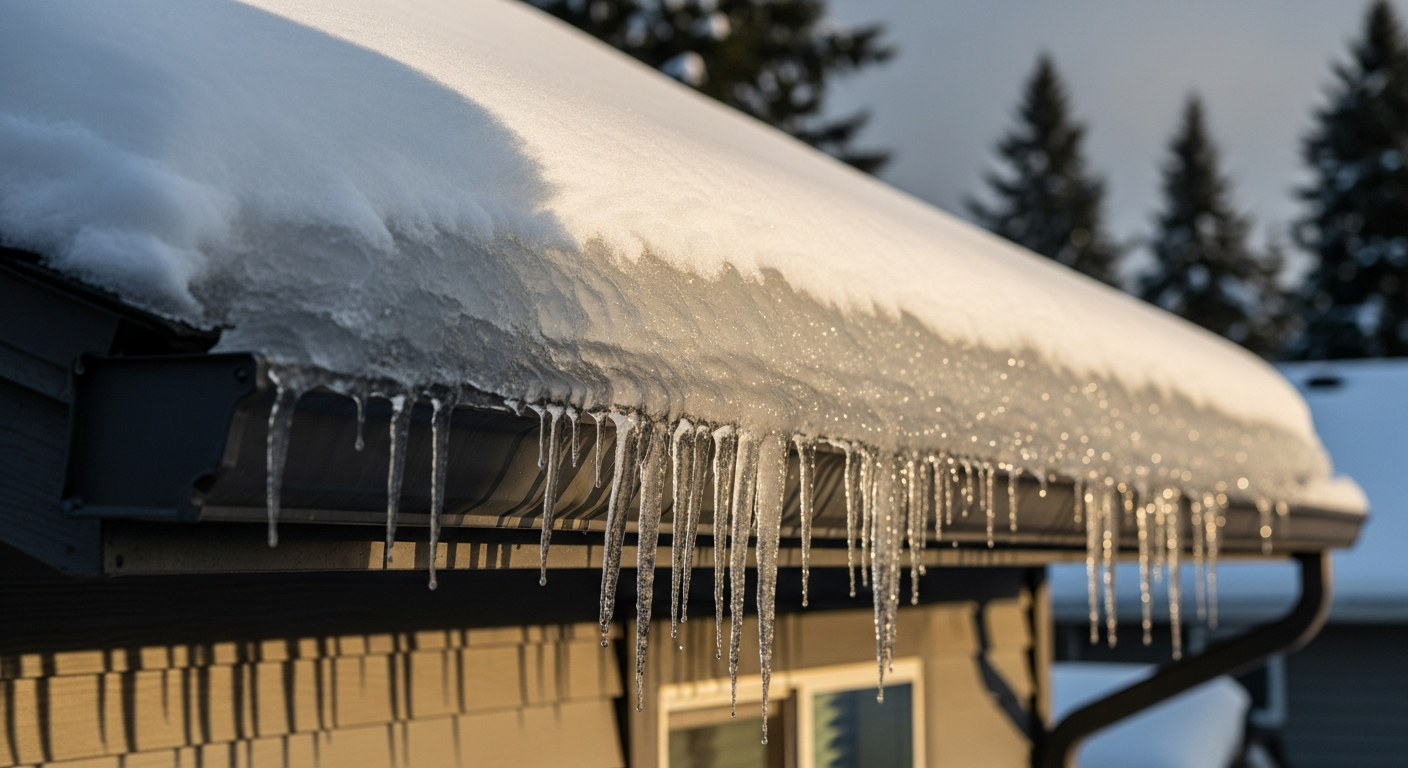
Signs to watch for: Unusually high energy bills, ice formation at eaves in winter (rare in Seattle but possible), visible moisture or mold in the attic, peeling exterior paint near the roofline, and shingles that age faster than expected.
How to fix it: Ensure balanced ventilation with soffit intake vents and continuous ridge exhaust. The standard ratio is 1 square foot of net free ventilation area for every 150 square feet of attic floor space. If your home has older box vents or gable vents only, upgrading to a soffit-and-ridge system significantly improves airflow.
3. Flashing Failures
Flashing is the thin metal material that seals transitions between the roof surface and vertical structures like chimneys, walls, skylights, and vent pipes. In Seattle’s persistent rain, flashing is the first line of defense at every critical junction, and it is often the first point of failure.
Common flashing failure points:
- Chimney step flashing and counter flashing
- Wall-to-roof transitions on dormers and additions
- Skylight perimeters
- Pipe boot collars (the rubber sleeve around plumbing vents)
How to fix it: Failed flashing needs professional replacement, not just caulking. Sealant over deteriorated flashing is a temporary patch that will fail again. Proper repair involves removing shingles around the junction, installing new metal flashing with correct overlap, and re-shingling over the flashing edge.
4. Gutter Overflow and Clogging
Seattle’s tree canopy drops enormous volumes of needles, leaves, and moss into gutters. Clogged gutters cause water to overflow along the roof edge, saturating fascia boards, soffits, and the bottom course of roofing material. Over time, this creates rot, attracts insects, and undermines the roof edge.
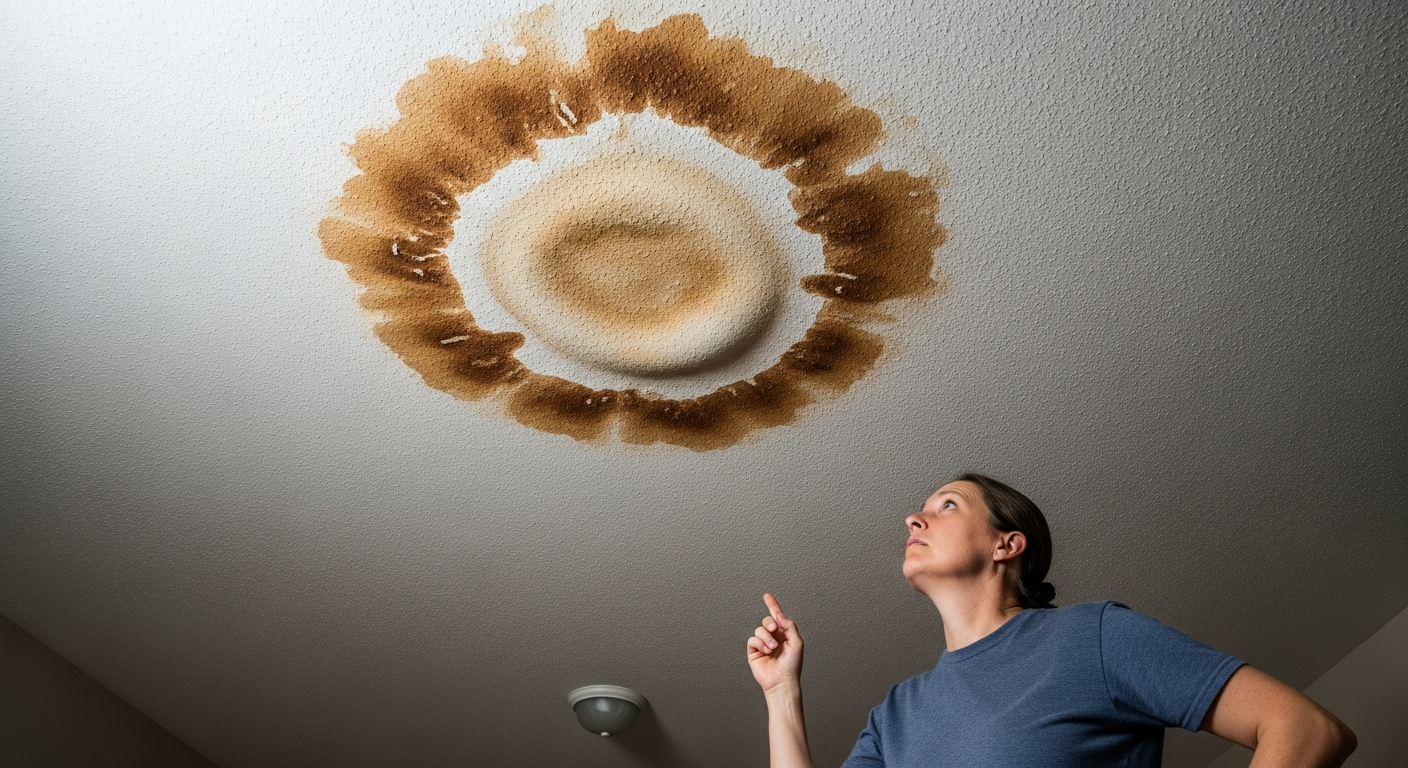
How to fix it: Clean gutters at least twice per year. Install gutter guards if debris accumulation is heavy. Ensure downspouts are clear and directing water at least 4 to 6 feet away from the foundation. Inspect fascia boards during each cleaning for signs of rot.
5. Wind Damage
Pacific Northwest windstorms typically bring gusts of 40 to 60 mph, with occasional events exceeding 70 mph. Wind damage to roofs usually starts at edges and works inward. The first shingles to lift are along the eaves, rakes, and ridgeline where wind can catch underneath.
Signs of wind damage: Shingles that are lifted, creased, or missing entirely. Exposed nail heads where shingles have shifted. Debris from other structures lodged on the roof. Granule accumulation in unusual spots.
How to fix it: Minor wind damage (a few missing shingles) is a straightforward repair. If wind has broken the adhesive seal on shingles across large sections, more extensive work is needed. Check whether repair or replacement makes sense based on the extent of damage and roof age.
6. Pipe Boot Deterioration
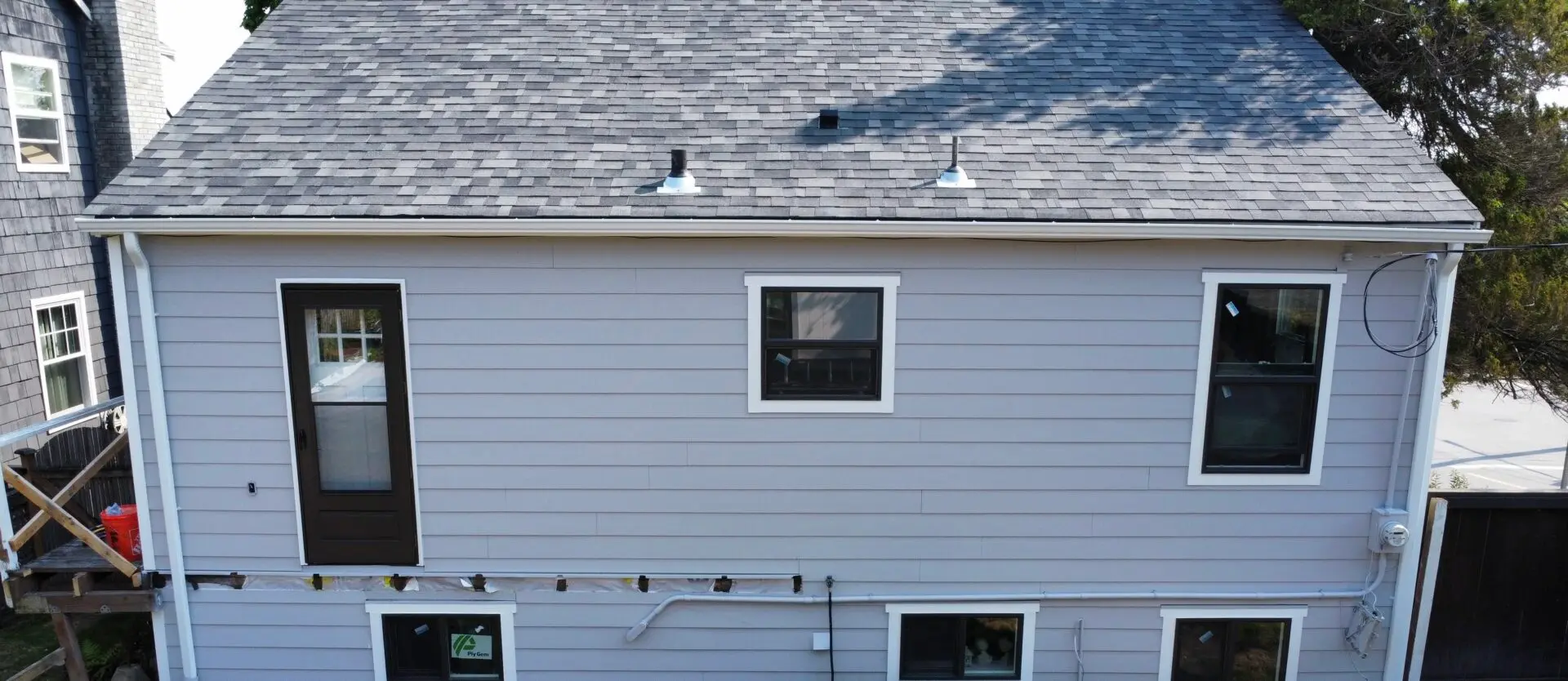
Every plumbing vent that exits through the roof has a pipe boot, a rubber or neoprene collar that seals the gap between the pipe and the roof surface. These boots deteriorate from UV exposure and temperature cycling, cracking and splitting after 10 to 15 years.
A cracked pipe boot is one of the most common sources of interior leaks in Seattle homes, and one of the cheapest to fix.
How to fix it: Replace the entire pipe boot assembly. This typically costs $150 to $300 and takes about 30 minutes. Do not rely on sealant or roofing cement around a cracked boot. It will fail again within a year or two.
7. Valley Deterioration
Roof valleys, where two slopes meet and funnel water downward, handle more concentrated water flow than any other part of the roof. In Seattle’s rainy climate, valleys work harder and wear faster. Debris accumulation in valleys traps moisture and accelerates shingle deterioration.
How to fix it: Valley repair or replacement involves removing shingles on both sides of the valley, installing new ice-and-water shield membrane, new metal valley flashing (we prefer W-metal valley), and new shingles overlapping the flashing. Keep valleys clear of debris throughout the year.
8. Granule Loss
Asphalt shingles are coated with ceramic granules that protect the underlying asphalt from UV radiation. As shingles age, granules gradually shed. Accelerated granule loss (visible accumulation in gutters, bare patches on shingle surfaces) indicates the shingles are nearing end of life.
How to spot it: Check your gutters and the ground below downspout outlets after heavy rain. Some granule loss is normal on new shingles (manufacturing residue), but increasing granule accumulation on an older roof is a clear sign of advancing deterioration.
How to fix it: Granule loss is not repairable. It is a sign that the shingles have reached their functional limit. Start planning for roof replacement.
9. Sagging or Dipping Sections
A sagging roofline indicates structural damage to the decking, rafters, or trusses beneath the roofing material. In the Pacific Northwest, sagging most commonly results from prolonged water exposure that has rotted decking or structural members.
How to spot it: Stand at ground level and look along the ridge line and roof planes. The lines should be straight. Any visible dip, wave, or sag indicates a problem beneath the surface.
How to fix it: Sagging requires professional inspection and repair. The roofing material must be removed to access and replace damaged structural members. This is not a DIY project, and delaying repair allows the problem to spread.
10. Ice Dam Formation
While Seattle rarely gets prolonged freezing temperatures, occasional cold snaps combined with poor attic insulation can create ice dams along the eaves. Warm air from the attic melts snow on the upper roof. Water flows down to the cold eave overhang, refreezes, and creates a dam that forces water back under shingles.
How to fix it: The long-term fix is improving attic insulation and ventilation to prevent warm spots on the roof surface. Ice-and-water shield membrane along the eaves (installed during re-roofing) provides a secondary barrier against dam-related leaks.
Preventing Problems Before They Start
The most cost-effective approach to roof maintenance in Seattle is prevention. An annual professional inspection costs $150 to $300 and consistently catches problems that would cost $1,000 to $5,000+ if left unaddressed.
Get Your Roof Inspected
K Single Corp provides free roof inspections for homeowners across the Greater Seattle area. We will identify any of these 10 problems, document them with photos, and give you an honest recommendation on whether repair, maintenance, or replacement is the right path forward.
Schedule your free inspection or call (206) 659-4349. With 25+ years of experience on Seattle roofs, we know exactly what to look for.